

Compare five renewed PCSP R640 servers for dedicated game hosting, from balanced SSD setups to high-core hybrid systems and large storage arrays.
The Latest
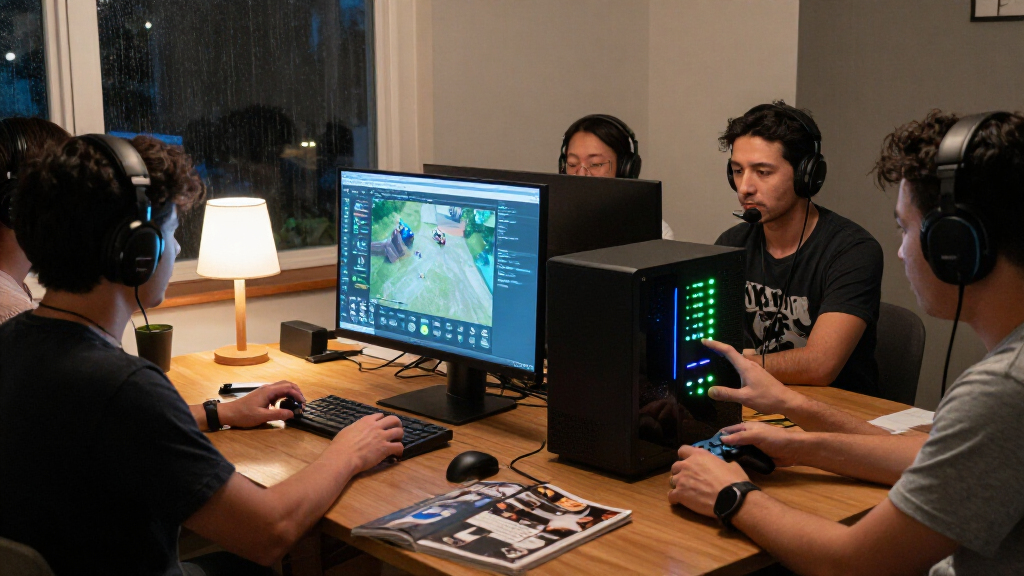
5 Best Dedicated Game Server Hosting Options in 2027
Apple’s Git Still Trusts The Compromised eMudhra Certificates

A community report says Apple developer tools still trust compromised eMudhra certificates after a macOS 27.2 update, leaving HTTPS connections at risk.
Hogan Lovells Cadwalader Advises Intel In Pending Acquisition Of Classiq Technologies

Intel has agreed to acquire quantum software company Classiq, combining its synthesis platform with Intel’s spin-qubit work, subject to an undisclosed timeline.
Q3 2026 Earnings Call: Remarks From Our CEO

Alphabet CEO Sundar Pichai reported 25% year-over-year revenue growth and 103% Google Cloud growth, citing AI demand across the business.
PsiQuantum Unveils Optical Circuit Switch For AI Data Centers

PsiQuantum reports an 8×8 optical-switch demo with 1.2 dB insertion loss and under 3 ms reconfiguration, and is sharing samples with selected prospects.
AI SRE: What Is It, How Could It Change On-call – And Does It Work?

AI incident tools are drawing interest as pages rise, but current systems mainly investigate and triage incidents; autonomous production fixes remain limited.
3 Best Managed Email Hosting Services in 2027

Compare Amazon SES and two email-hosting references to find the right fit for application email, managed mailboxes, or hosting research.
Muse Is Now Available In Singapore: The World’s First Personal AI Agent Built For Everyone

Meta says Muse is now available in Singapore, connecting with popular services for tasks such as shopping, travel planning and email management.
QuantrolOx Raises €12 Million In Series A2

The Oxford spinout will use €12 million led by IW Capital to expand quantum hardware automation, training products and its U.S. operations.
NIST Report Provides Guidelines For Transition To Post-Quantum Cryptography Standards

NIST’s NISTIR 8547 outlines how organizations can replace quantum-vulnerable cryptography, with federal deadlines extending to 2035.