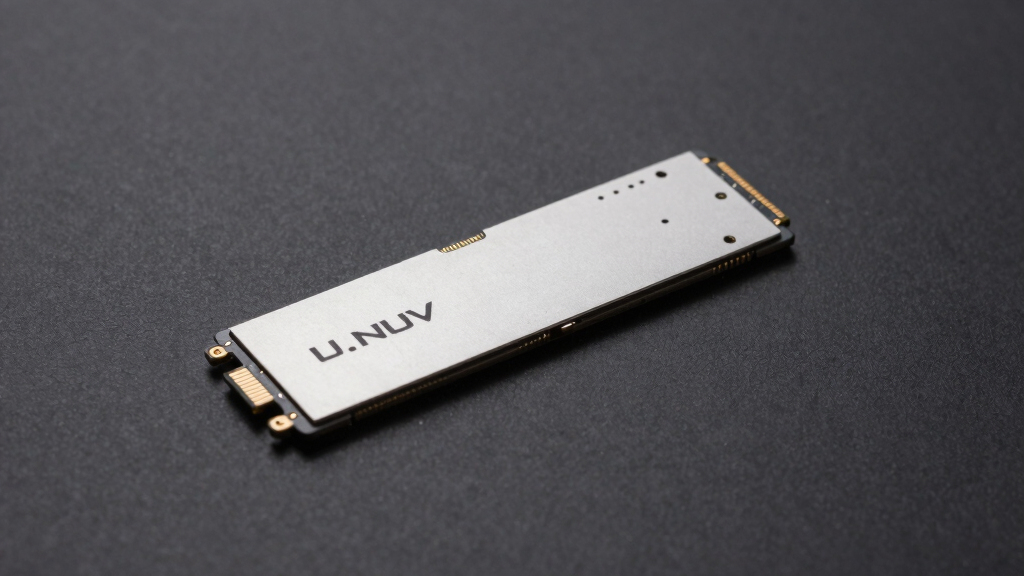

For those seeking the best U.2 NVMe SSDs in 2026, the options can be overwhelming. The Samsung 9100 PRO 2TB PCIe 5.0×4 stands out as the top overall pick thanks to its cutting-edge PCIe 5.0 performance and enterprise reliability. The 7.68TB Enterprise U.2 NVMe SSD offers massive capacity for data centers, while the Samsung SSD 990 PRO 2TB PCIe 4.0 delivers high-speed performance at a more accessible price point. Buyers face tradeoffs between raw speed, capacity, and durability. Continue reading for a detailed breakdown to find the best fit for your needs.

Get business pricing on networking and server gear
- Business-only prices and quantity discounts
- Tax-exempt purchasing
- Multiple users, one account, clear invoices
Key Takeaways
- The top-ranked SSDs combine PCIe 4.0 and 5.0 interfaces to balance speed and compatibility.
- Enterprise-focused drives offer higher endurance ratings but come at a premium price.
- Capacity ranges widely from under 1TB for consumer use to multi-terabyte models for data centers.
- Price-to-performance varies significantly; high-speed PCIe 5.0 drives tend to cost more.
- Build quality and thermal management are critical for sustained performance under heavy workloads.
| Samsung 9100 PRO 2TB PCIe 5.0×4 M.2 NVMe Internal SSD |  | Best Overall for Cutting-Edge Performance | Capacity: 2TB | Interface: PCIe 5.0×4 M.2 2280 | Sequential Read Speed: 14,700 MB/s | VIEW LATEST PRICE | See Our Full Breakdown |
| 7.68TB Enterprise U.2 NVMe SSD |  | Best for Enterprise High-Capacity Storage | Capacity: 7.68TB | Interface: U.2 | Performance: Over 3.5 GB/s read/write | VIEW LATEST PRICE | See Our Full Breakdown |
| Samsung SSD 990 PRO 2TB PCIe 4.0 M.2 NVMe Internal Solid State Drive |  | Best for High-Speed Computing on PCIe 4.0 | Capacity: 2TB | Interface: PCIe 4.0 M.2 2280 | Read Speed: 7450 MB/s | VIEW LATEST PRICE | See Our Full Breakdown |
| Micron 9300 Max 6.4TB NVMe U.2 Enterprise Solid State Drive |  | Best for Enterprise Data Center Scalability | Capacity: 6.4TB | Interface: U.2 | Performance: Over 3.5 GB/s read/write | VIEW LATEST PRICE | See Our Full Breakdown |
| Dell 1.92TB U.2 NVMe SSD |  | Best for Enterprise Data Transfer and Reliability | Capacity: 1.92TB | Interface: U.2 NVMe | Performance: Fast data transfer speeds | VIEW LATEST PRICE | See Our Full Breakdown |
| Samsung PM9A3 SSD 2.5″ U.2 NVMe Gen 4 1.92TB |  | Best Overall for High-Performance Enterprise Storage | Capacity: 1.92TB | Form Factor: 2.5″ U.2 | Interface: NVMe Gen 4 | VIEW LATEST PRICE | See Our Full Breakdown |
| Micron 9300 Max 3.2TB NVMe U.2 Enterprise Solid State Drive |  | Best for Heavy-Duty Enterprise Data Center Workloads | Capacity: 3.2TB | Interface: U.2 NVMe | Performance: Over 3.5 GB/s sequential read/write | VIEW LATEST PRICE | See Our Full Breakdown |
| Samsung PM9A3 MZ-QL27T600 SSD 7.68TB U.2 PCIe 4.0 NVMe |  | Best High-Capacity U.2 NVMe for Data-Intensive Tasks | Capacity: 7.68TB | Interface: U.2 | Protocol: PCIe 4.0 x4 NVMe | VIEW LATEST PRICE | See Our Full Breakdown |
| PM9A3 SSD 2.5″ U.2 NVMe Gen 4 960GB |  | Best for Upgrading High-Performance Systems | Capacity: 960GB | Form Factor: 2.5″ U.2 | Interface: NVMe Gen 4 | VIEW LATEST PRICE | See Our Full Breakdown |
| Solidigm D7-P5520 3.84 TB NVMe SSD – 2.5″ U.2 PCIe 4.0 x4 |  | Best for Enterprise and Heavy-Duty Data Center Tasks | Capacity: 3.84TB | Form Factor: 2.5″ U.2 | Interface: PCIe 4.0 x4 | VIEW LATEST PRICE | See Our Full Breakdown |
| Kingston Enterprise 3.84TB DC3000ME PCIe 5.0 U.2 NVMe SSD |  | Best for Enterprise Workloads | Capacity: 3.84TB | Interface: PCIe 5.0 U.2 | Encryption: TCG Opal hardware-based | VIEW LATEST PRICE | See Our Full Breakdown |
| u.2 nvme ssd | Capacity | Interface | Performance |
|---|---|---|---|
| Samsung 9100 PRO 2TB PCIe 5.0x | 2TB | PCIe 5.0×4 M.2 2280 | — |
| 7.68TB Enterprise U.2 NVMe SSD | 7.68TB | U.2 | Over 3.5 GB/s read/write |
| Samsung SSD 990 PRO 2TB PCIe 4 | 2TB | PCIe 4.0 M.2 2280 | — |
| Micron 9300 Max 6.4TB NVMe U.2 | 6.4TB | U.2 | Over 3.5 GB/s read/write |
| Dell 1.92TB U.2 NVMe SSD | 1.92TB | U.2 NVMe | Fast data transfer speeds |
| Samsung PM9A3 SSD 2.5" U.2 NVM | 1.92TB | NVMe Gen 4 | High-speed data transfer |
| Micron 9300 Max 3.2TB NVMe U.2 | 3.2TB | U.2 NVMe | Over 3.5 GB/s sequential read/write |
| Samsung PM9A3 MZ-QL27T600 SSD | 7.68TB | U.2 | Fast transfer speeds |
| PM9A3 SSD 2.5" U.2 NVMe Gen 4 | 960GB | NVMe Gen 4 | High-speed data transfer |
| Solidigm D7-P5520 3.84 TB NVMe | 3.84TB | PCIe 4.0 x4 | — |
| Kingston Enterprise 3.84TB DC3 | 3.84TB | PCIe 5.0 U.2 | — |
More Details on Our Top Picks
Samsung 9100 PRO 2TB PCIe 5.0×4 M.2 NVMe Internal SSD
The Samsung 9100 PRO 2TB stands out for offering the highest PCIe 5.0 speeds currently available, reaching an astonishing 14,700 MB/s read, which surpasses even the high-speed PCIe 4.0 options like the Samsung SSD 990 PRO. This makes it ideal for users who need raw performance for gaming, AI workloads, or demanding professional tasks. Its advanced thermal management and high durability ensure sustained speeds during intensive use, but the premium price and need for a PCIe 5.0 slot mean it’s not suitable for older systems or budget-conscious buyers. Compared to the 990 PRO, this drive pushes the limits of current interface standards, but only becomes fully beneficial if your hardware supports PCIe 5.0.
Pros:- Blazing-fast PCIe 5.0 read speeds of 14,700 MB/s
- Exceptional thermal control for sustained high performance
- High durability for heavy workloads
- Strong software support for drive health and firmware updates
Cons:- Very high price point compared to PCIe 4.0 alternatives
- Requires PCIe 5.0 compatible motherboard to reach maximum speeds
Best for: Enthusiasts and professionals seeking the fastest possible data transfer speeds with future-proofing in mind.
Not ideal for: Casual users with older hardware or those on a tight budget, as the premium cost and system requirements outweigh the benefits.
- Capacity:2TB
- Interface:PCIe 5.0×4 M.2 2280
- Sequential Read Speed:14,700 MB/s
- Sequential Write Speed:13,400 MB/s
- Random Read/Write IOPS:1,850K/2,600K
- Controller:5nm
- Thermal Management:Advanced thermal control
- Compatibility:Laptops and desktops
Our verdict“This drive is perfect for users who want top-tier, future-ready performance and have compatible hardware, but it’s overkill for most mainstream setups.”
7.68TB Enterprise U.2 NVMe SSD
The 7.68TB Enterprise U.2 NVMe SSD excels in providing a massive storage capacity combined with reliable high-speed performance, making it a strong choice for data centers and large-scale server environments. Its high-speed NVMe interface ensures quick access to data, but its enterprise focus means it lacks consumer-friendly features like TRIM or consumer firmware, and it comes at a high cost that isn’t justified for typical desktop users. Compared with the Samsung 990 PRO, which is more suited for high-performance workstations, this drive prioritizes capacity and durability over mainstream affordability. It’s ideal for organizations prioritizing large-scale data handling over everyday performance features.
Pros:- Huge 7.68TB capacity for extensive data storage
- Fast NVMe U.2 interface ensures quick data access
- Reliable and durable for demanding enterprise workloads
- Designed for continuous high-performance operation
Cons:- High cost makes it impractical for typical consumers
- Limited compatibility with consumer motherboards and hardware
Best for: Large enterprises and data centers needing reliable multi-terabyte storage with fast access times.
Not ideal for: Home users or small business owners seeking a more affordable, feature-rich consumer SSD.
- Capacity:7.68TB
- Interface:U.2
- Performance:Over 3.5 GB/s read/write
- Type:NVMe SSD
- Durability:Enterprise-grade
Our verdict“This SSD is best suited for enterprise environments where capacity and durability outweigh consumer-friendly features.”
Samsung SSD 990 PRO 2TB PCIe 4.0 M.2 NVMe Internal Solid State Drive
The Samsung 990 PRO 2TB offers excellent transfer speeds up to 7,450 MB/s, making it a top choice for gamers and professionals who rely on PCIe 4.0 hardware. It surpasses older PCIe 3.0 drives in bandwidth and power efficiency, providing a noticeable performance boost in load times and data handling. While it doesn’t match the raw speed of PCIe 5.0 options like the Samsung 9100 PRO, it remains more accessible due to broader motherboard compatibility and lower cost. Compared to the 9100 PRO, this drive is more practical for current systems, but it won’t benefit from future PCIe 5.0 upgrades.
Pros:- High transfer speeds up to 7,450 MB/s
- Significantly better power efficiency
- Reliable performance for demanding workloads
- Large 2TB capacity
Cons:- Requires PCIe 4.0 slot to achieve full speeds
- Premium price still high compared to older gen SSDs
Best for: Power users and gamers with PCIe 4.0 motherboards seeking fast, reliable storage without the premium price of PCIe 5.0 drives.
Not ideal for: Users with PCIe 3.0 systems or those seeking the absolute fastest speeds available, as PCIe 4.0 maxes out below PCIe 5.0’s potential.
- Capacity:2TB
- Interface:PCIe 4.0 M.2 2280
- Read Speed:7450 MB/s
- Write Speed:6900 MB/s
- Power Efficiency:Up to 50% improved
Our verdict“This drive balances speed, cost, and compatibility, making it suitable for those not yet ready to upgrade to PCIe 5.0 hardware.”
Micron 9300 Max 6.4TB NVMe U.2 Enterprise Solid State Drive
The Micron 9300 Max 6.4TB provides a strong balance of large capacity and high-speed performance, with over 3.5 GB/s read and write speeds. Its U.2 interface suits enterprise environments where scalability and reliability are paramount. Compared to smaller enterprise drives like the Micron 9300 Max 3.2TB, this model offers double the capacity, making it suitable for expanding data storage needs. However, its enterprise focus means it lacks consumer features and comes with a high price tag, making it less ideal for typical desktop users. It excels in environments where continuous high throughput and large storage are required.
Pros:- Large 6.4TB capacity for extensive data handling
- High sequential read/write speeds over 3.5 GB/s
- Designed for enterprise-grade durability and reliability
- Excellent IOPS performance for demanding workloads
Cons:- Costly for non-enterprise users
- Requires compatible U.2 infrastructure
Best for: Data centers and large-scale enterprise deployments needing reliable, high-capacity NVMe storage.
Not ideal for: Individual users or small businesses seeking affordable or consumer-oriented SSDs.
- Capacity:6.4TB
- Interface:U.2
- Performance:Over 3.5 GB/s read/write
- Type:NVMe SSD
Our verdict“This drive is best suited for enterprise environments prioritizing large capacity and high throughput, not everyday consumer use.”
Dell 1.92TB U.2 NVMe SSD
The Dell 1.92TB U.2 NVMe SSD offers a solid balance of capacity and speed, making it a fitting choice for enterprise and data center workloads. Its reliable data transfer speeds and sturdy build are comparable to other enterprise drives like the Micron 9300 Max 3.2TB, but with a slightly lower capacity. Its compatibility details are limited, which could pose challenges for compatibility checks, and the cost can be prohibitive for smaller-scale deployments. This SSD makes the most sense for organizations already invested in Dell infrastructure or needing dependable performance in U.2 form factors.
Pros:- Reliable high-speed data transfer
- Good capacity for enterprise needs
- Solid performance for demanding workloads
- Trusted brand with enterprise support
Cons:- Limited detailed compatibility info
- Higher cost for smaller deployments
Best for: Enterprises and data centers already using Dell hardware seeking a reliable, high-performance U.2 SSD.
Not ideal for: Small businesses or individual users needing more transparent compatibility info or lower-cost options.
- Capacity:1.92TB
- Interface:U.2 NVMe
- Performance:Fast data transfer speeds
- Brand:Dell
Our verdict“Ideal for Dell-centric enterprise environments requiring dependable U.2 NVMe storage, but less suitable for casual or mixed hardware setups.”
Samsung PM9A3 SSD 2.5″ U.2 NVMe Gen 4 1.92TB
The Samsung PM9A3 stands out for delivering reliable, high-speed data transfer with NVMe Gen 4 technology, making it an excellent choice for enterprise environments that demand consistent performance. Compared to the Micron 9300 Max, which offers greater capacity and enterprise-grade reliability, the PM9A3 balances speed and cost-effectiveness for those needing fast access without the premium price tag of ultra-large drives. Its 1.92TB capacity suits demanding workloads but comes with a higher cost and the necessity of compatible U.2 interfaces, which might limit upgrade options for some users. This SSD is ideal for data centers or high-performance workstations where proven enterprise stability is essential. The main tradeoff involves its price and hardware compatibility requirements, which could be prohibitive for casual or consumer-focused setups.
Pros:- High-speed data transfer with NVMe Gen 4 technology
- Reliable enterprise-grade performance
- Large 1.92TB capacity for demanding data workloads
Cons:- Requires compatible U.2 interface, limiting hardware options
- Higher cost compared to typical SATA or consumer NVMe SSDs
Best for: IT professionals managing enterprise storage or data center infrastructure needing reliable high-speed access.
Not ideal for: Casual gamers or home users with standard PCIe M.2 slots, as they won’t benefit from the U.2 form factor or enterprise-grade features.
- Capacity:1.92TB
- Form Factor:2.5″ U.2
- Interface:NVMe Gen 4
- Performance:High-speed data transfer
- Target Market:Enterprise and data centers
- Reliability:Enterprise-grade
Our verdict“This SSD suits enterprise users who need dependable, high-speed storage with proven stability, despite its cost and hardware requirements.”
Micron 9300 Max 3.2TB NVMe U.2 Enterprise Solid State Drive
The Micron 9300 Max excels in environments demanding maximum throughput, with over 3.5 GB/s sequential read/write speeds and robust IOPS performance, setting it apart from the Samsung PM9A3’s more balanced approach. Its 3.2TB capacity and enterprise-grade reliability make it ideal for large-scale data centers that prioritize high throughput and durability over cost. However, its premium pricing and focus on enterprise applications make it less suitable for casual or consumer use, where budget and hardware simplicity matter more. Compared to the Samsung PM9A3, which caters to high-performance but less demanding enterprise setups, the 9300 Max is engineered for the most intensive data processing tasks. The main tradeoff is its high cost and specialized design, which could be overkill for smaller-scale applications.
Pros:- Seamless high-speed sequential read/write over 3.5 GB/s
- Enterprise-grade reliability and durability
- Excellent IOPS efficiency for demanding workloads
Cons:- Likely very expensive for typical consumers
- Designed primarily for enterprise use, limiting flexibility for casual users
Best for: Data center operators or large-scale enterprise IT managers requiring maximum throughput and durability.
Not ideal for: Small business owners or enthusiasts seeking affordable, consumer-grade NVMe SSDs, as it’s tailored for enterprise environments.
- Capacity:3.2TB
- Interface:U.2 NVMe
- Performance:Over 3.5 GB/s sequential read/write
- Type:Enterprise Solid State Drive
- Target Market:Data centers and enterprise storage
Our verdict“This drive is a top choice for large-scale data centers where maximum throughput and reliability justify the premium price.”
Samsung PM9A3 MZ-QL27T600 SSD 7.68TB U.2 PCIe 4.0 NVMe
The Samsung PM9A3 with 7.68TB capacity makes a strong case for users needing extensive storage in enterprise or data center setups, especially compared to the 1.92TB Samsung PM9A3 model. It leverages PCIe 4.0 x4 NVMe technology for fast data transfer, matching the performance of other high-capacity drives like the Solidigm D7-P5520 but with a larger storage pool. Its U.2 interface ensures compatibility with enterprise hardware, though the focus on capacity and speed makes it less suitable for casual users who don’t need such massive storage or the associated hardware investments. The main drawback is its high cost and the need for compatible enterprise hardware to access full speed, which could limit its appeal for smaller-scale deployments.
Pros:- Massive 7.68TB storage capacity
- Fast PCIe 4.0 x4 NVMe speeds for quick data access
- Reliable U.2 interface suitable for enterprise environments
Cons:- Expensive and primarily suited for enterprise budgets
- Requires compatible hardware to utilize full speed
Best for: Large-scale businesses or data centers requiring massive storage capacity with fast transfer speeds.
Not ideal for: Home users or small offices with limited hardware compatibility, as this drive is designed for enterprise use and is costly.
- Capacity:7.68TB
- Interface:U.2
- Protocol:PCIe 4.0 x4 NVMe
- Target Market:Enterprise and data centers
- Performance:Fast transfer speeds
Our verdict“This drive is ideal for large organizations needing extensive storage and rapid data access, with a premium price tag reflecting its enterprise focus.”
PM9A3 SSD 2.5″ U.2 NVMe Gen 4 960GB
This 960GB version of the Samsung PM9A3 offers a solid balance between speed and capacity for those upgrading or building high-performance systems, especially compared to the 1.92TB model which provides more space but at a higher cost. Its NVMe Gen 4 interface ensures fast data transfers, making it suitable for demanding workloads in a 2.5″ U.2 form factor. However, with limited specifications detail and no reviews available, it’s less transparent about real-world performance. This SSD makes the most sense for users who need quick upgrades without investing in larger capacities, but it may not be ideal for those requiring extensive storage or enterprise-level endurance. A key tradeoff is the limited capacity relative to other options, which might restrict its long-term utility.
Pros:- High-speed NVMe Gen 4 performance
- Compact 2.5″ U.2 form factor fits many systems
- Good for system upgrades and performance boosts
Cons:- Limited capacity at 960GB for heavy data workloads
- Lack of detailed specifications and reviews for confidence
Best for: Power users upgrading existing high-performance workstations needing fast storage in a compact form factor.
Not ideal for: Users requiring large capacities or enterprise-grade durability, as this model offers moderate size and limited detail.
- Capacity:960GB
- Form Factor:2.5″ U.2
- Interface:NVMe Gen 4
- Performance:High-speed data transfer
- Use Case:System upgrade
Our verdict“This SSD is well-suited for users seeking a fast, reliable upgrade for high-performance systems without needing large storage capacity.”
Solidigm D7-P5520 3.84 TB NVMe SSD – 2.5″ U.2 PCIe 4.0 x4
The Solidigm D7-P5520 offers a substantial 3.84TB capacity with PCIe 4.0 x4 NVMe technology, making it a robust choice for enterprise environments that demand both speed and storage. Compared to the Micron 9300 Max, which emphasizes throughput and durability, the D7-P5520 balances capacity and enterprise reliability, particularly suited for intensive data processing tasks. Its 2.5″ U.2 form factor ensures compatibility with high-density server setups, but as with most enterprise drives, it may be overkill for casual or small business use. The main drawbacks involve its high cost and focus on enterprise hardware, which could be unnecessary for lighter workloads.
Pros:- High 3.84TB capacity for demanding workloads
- Fast PCIe 4.0 x4 NVMe data transfer speeds
- Enterprise-grade reliability and compatibility
Cons:- Designed primarily for enterprise, overkill for casual users
- High cost and hardware compatibility requirements
Best for: High-demand enterprise applications and data centers needing reliable, large-volume storage solutions.
Not ideal for: Home users or small businesses without compatible enterprise hardware, due to the price and complexity.
- Capacity:3.84TB
- Form Factor:2.5″ U.2
- Interface:PCIe 4.0 x4
- Type:NVMe SSD
- Target Market:Enterprise and data centers
Our verdict“This drive is ideal for organizations seeking dependable, large-capacity storage with fast throughput, accepting its premium price and enterprise focus.”
Kingston Enterprise 3.84TB DC3000ME PCIe 5.0 U.2 NVMe SSD
The Kingston Enterprise DC3000ME stands out for its ultra-fast PCIe 5.0 performance, which surpasses many PCIe 4.0 options like the Samsung 990 PRO by offering higher throughput ideal for high-demand data centers. Its hardware-based TCG Opal encryption provides security without sacrificing speed, a key feature for enterprise environments where data protection is critical. Compared with consumer-grade SSDs, this model emphasizes reliability and consistent performance under heavy workloads, but it comes with a higher cost and requires a compatible U.2 interface, making it less accessible for casual or DIY users. Its design prioritizes 24/7 operation and high IOPS, making it suitable for mission-critical applications, though it might be overkill for small-scale or personal use where capacity and cost are less of a concern.
Pros:- Ultra-fast PCIe 5.0 throughput supports demanding enterprise workloads
- Hardware-based encryption enhances security without performance penalties
- Reliable for continuous operation, ensuring minimal downtime
- High IOPS performance suitable for data centers
Cons:- Significantly more expensive than consumer SSDs like the Samsung 990 PRO
- Requires compatible U.2 interface, limiting compatibility with standard desktops
Best for: Data centers, enterprise IT teams, and organizations needing reliable, high-throughput storage for demanding workloads
Not ideal for: Home users or small businesses with limited budgets and less demanding performance needs
- Capacity:3.84TB
- Interface:PCIe 5.0 U.2
- Encryption:TCG Opal hardware-based
- Form Factor:U.2
- Use Case:Enterprise, Data Centers
- Performance Tier:Ultra-fast PCIe Gen 5.0
- Intended Environment:High IOPS, 24/7 operation
Our verdict“This SSD makes the most sense for large-scale enterprise environments where speed, security, and reliability justify the investment.”

How We Picked
These U.2 NVMe SSDs were evaluated based on performance benchmarks, durability ratings, capacity options, and value for money. Enterprise and data center drives were prioritized for their reliability and endurance, while consumer-grade options focused on speed and affordability. We also considered factors like thermal management, form factor compliance, and user reviews to identify models that are both robust and versatile. The ranking reflects a balance between cutting-edge technology and practical usability for different types of buyers.| u.2 nvme ssd | Performance |
|---|---|
| Samsung 9100 PRO 2TB PCIe 5.0x | — |
| 7.68TB Enterprise U.2 NVMe SSD | Over 3.5 GB/s read/write |
| Samsung SSD 990 PRO 2TB PCIe 4 | — |
| Micron 9300 Max 6.4TB NVMe U.2 | Over 3.5 GB/s read/write |
| Dell 1.92TB U.2 NVMe SSD | Fast data transfer speeds |
| Samsung PM9A3 SSD 2.5" U.2 NVM | High-speed data transfer |
| Micron 9300 Max 3.2TB NVMe U.2 | Over 3.5 GB/s sequential read/write |
| Samsung PM9A3 MZ-QL27T600 SSD | Fast transfer speeds |
| PM9A3 SSD 2.5" U.2 NVMe Gen 4 | High-speed data transfer |
| Solidigm D7-P5520 3.84 TB NVMe | — |
| Kingston Enterprise 3.84TB DC3 | — |
Factors to Consider When Choosing Best U.2 Nvme Ssd
Choosing the best U.2 NVMe SSD involves several key considerations beyond raw specs. Understanding these factors helps ensure you select a drive that matches your workload, budget, and system compatibility. From interface standards to endurance ratings, each element impacts performance and longevity. Here’s what to keep in mind before making your purchase.Performance and Interface Compatibility
While PCIe 5.0 offers the fastest speeds, it may not be compatible with all systems, especially older servers or workstations. PCIe 4.0 drives still deliver excellent performance and broader compatibility. Match the drive’s interface with your system’s motherboard to avoid bottlenecks and ensure maximum data transfer rates. Think about your workload: high-throughput tasks benefit from PCIe 5.0, but for general use, PCIe 4.0 is often sufficient and more cost-effective.
Endurance and Reliability
Enterprise environments demand drives with high endurance ratings measured in drive writes per day (DWPD) or total terabytes written (TBW). Lower-end consumer drives may suffice for light workloads but can wear out faster under continuous use. Consider the drive’s rated lifespan and warranty period, especially if you’re handling critical data or running a server 24/7. Investing in higher endurance models can reduce long-term replacement costs and downtime.
Capacity Needs
Capacity varies from under 1TB for typical workstations to multi-terabyte options for data centers. Assess your current storage needs and future growth to select a drive that won’t quickly become a bottleneck. Larger capacities often come with higher costs per gigabyte but can simplify management by reducing the need for multiple drives. Balance your budget against your storage requirements for the best long-term value.
Thermal Management and Form Factor
Heavy workloads generate heat, which can throttle performance or shorten drive lifespan. Look for drives with effective thermal solutions, such as heatsinks or advanced cooling features. The U.2 form factor, while compact, requires consideration of your system’s thermal capacity and airflow. Proper cooling can prevent thermal throttling during sustained data transfers, maintaining consistent performance over time.
Price-to-Performance Ratio
High-end PCIe 5.0 drives command premium prices, which may not always translate into proportional performance gains for every user. Evaluate whether the extra cost aligns with your workload demands. For most enterprise applications, investing in slightly older PCIe 4.0 drives may offer better value, while enthusiasts pushing the limits of speed might justify the higher expense of PCIe 5.0 models.
Frequently Asked Questions
Can I upgrade my existing server to PCIe 5.0 U.2 NVMe SSDs?
Upgrading to PCIe 5.0 U.2 NVMe SSDs depends on your server’s motherboard compatibility. If your system supports PCIe 5.0, you can typically install these drives without issues. However, older systems may only support PCIe 3.0 or 4.0, limiting your ability to leverage the full speed of PCIe 5.0 drives. Always verify your motherboard specifications before purchasing to avoid compatibility surprises.
Are enterprise U.2 NVMe SSDs suitable for consumer use?
While enterprise U.2 NVMe SSDs excel in durability and sustained performance, they are often priced higher and may require specific hardware setups. For typical consumer workloads, high-quality PCIe 4.0 or even PCIe 3.0 drives can deliver excellent performance at a lower cost. Enterprise drives make more sense if you need maximum endurance, reliability, or are building a data-intensive workstation.
How does capacity affect performance in U.2 NVMe SSDs?
In many cases, larger capacity drives can deliver slightly better performance due to parallelism and increased NAND chips, but this isn’t always guaranteed. The primary factor remains the interface and controller. When choosing capacity, consider your actual storage needs first—overpaying for excess space without performance benefits isn’t ideal. Balance capacity with your budget and performance expectations.
What is the typical lifespan of a U.2 NVMe SSD?
The lifespan of a U.2 NVMe SSD varies widely based on its endurance rating. Enterprise models often feature TBW ratings that support years of continuous operation, sometimes exceeding 10 years under heavy use. Consumer models are rated for fewer TBW but still offer several years of reliable service. Always check the manufacturer’s warranty and endurance specifications to gauge longevity accurately.
Is thermal management necessary for U.2 NVMe SSDs?
Yes, thermal management is important, especially for high-performance drives operating under sustained workloads. Excessive heat can cause thermal throttling, reducing speeds and potentially shortening the drive’s lifespan. Many enterprise drives include built-in heatsinks or recommend additional cooling solutions. Ensuring proper airflow and cooling can help maintain consistent performance and extend the life of your SSD.
Conclusion
For most users seeking a reliable, high-performance U.2 NVMe SSD, the Samsung 9100 PRO 2TB PCIe 5.0×4 makes an excellent choice due to its cutting-edge speed and enterprise-grade reliability. Those on a tighter budget or with less demanding workloads should consider the Samsung SSD 990 PRO 2TB PCIe 4.0, which offers excellent performance at a more affordable price. Enterprise buyers needing massive capacity and endurance will find the 7.68TB Enterprise U.2 NVMe SSD and similar models suited to their needs. For beginners or casual users, compatibility and cooling considerations suggest sticking with PCIe 4.0 or lower-end models to avoid overspending on features they won’t utilize. Ultimately, your choice depends on workload, system compatibility, and budget — but this guide offers a clear starting point for each use case.