

Choosing the right enterprise cloud storage solution involves balancing factors such as cost, security, scalability, and integration capabilities. AWS S3 and Azure Blob Storage are two leading options, each with distinct advantages. AWS S3, with its extensive ecosystem and proven reliability, suits organizations seeking a broad range of integrations and global reach. Azure Blob Storage, meanwhile, benefits organizations heavily invested in Microsoft products and looking for seamless integration with services like Azure Active Directory and Microsoft 365. This comparison highlights their core differences to help decision-makers select the best fit based on their priorities.
At a Glance
| Criteria | Amazon Web Services (AWS) S3 | Microsoft Azure Blob Storage | Winner |
|---|---|---|---|
| Cost | Moderate to high, with tiered pricing based on usage | Competitive, with discounts for existing Microsoft customers | B |
| Security & Compliance | Robust security, compliance certifications including ISO, SOC, FedRAMP | Strong security, compliant with industry standards including GDPR, ISO | A |
| Scalability & Performance | Highly scalable with high durability, suitable for large workloads | High scalability, optimized for Microsoft environments | A |
| Ease of Integration | Extensive APIs, SDKs, and third-party integrations | Deep integration with Microsoft tools and services | A |
| Global Reach & Data Centers | Largest global network of data centers | Strong global presence, especially in enterprise markets | A |
| Pricing Flexibility | Pay-as-you-go with volume discounts | Flexible pricing models, including reserved capacity | B |
| Support & Ecosystem | Largest ecosystem with third-party tools and community | Growing ecosystem, especially in enterprise Microsoft solutions | A |
| Management & Usability | Advanced management console, CLI, APIs | User-friendly portal, seamless management within Azure portal | A |

Fixing Issues with S3 Event Notifications
As an affiliate, we earn on qualifying purchases.
As an affiliate, we earn on qualifying purchases.
Key Differences
The primary difference lies in ecosystem integration and existing infrastructure alignment. AWS S3’s ecosystem is broader, supporting a wide range of third-party tools, making it ideal for organizations seeking vendor neutrality or diverse integrations. Its global network also provides superior latency and redundancy options. Azure Blob Storage, on the other hand, excels for organizations already invested in Microsoft products, offering tighter integration with Azure, Microsoft 365, and Active Directory, often at a lower cost for these users. While AWS is more mature and versatile globally, Azure offers compelling advantages in enterprise Microsoft environments, which can translate into cost savings and streamlined workflows.
Azure Blob Storage enterprise plan
As an affiliate, we earn on qualifying purchases.
As an affiliate, we earn on qualifying purchases.
Detailed Comparison
Cost (Microsoft Azure Blob Storage wins — moderate)
Azure Blob Storage generally offers lower pricing for existing Microsoft customers due to discount programs and integrated billing. AWS S3 has a more complex tiered pricing model, which can lead to higher costs at scale but offers more granular control over spending.
In practical terms, organizations heavily invested in Microsoft ecosystems may find Azure more cost-effective, while those seeking broad flexibility may prefer AWS despite potentially higher costs.
Security & Compliance (Amazon Web Services (AWS) S3 wins — moderate)
Both providers offer strong security features, including encryption, identity management, and compliance with standards like ISO, SOC, and GDPR. AWS has a slight edge in the number of certifications and mature compliance programs, making it suitable for highly regulated industries.
Azure’s security features are deeply integrated with Microsoft security tools, which simplifies management for Microsoft-centric organizations.
Scalability & Performance (Amazon Web Services (AWS) S3 wins — major)
AWS S3 provides extremely high scalability and durability with proven performance at global scale, making it suitable for large, demanding workloads.
Azure Blob Storage also offers high scalability but may have slight latency differences depending on region and workload type. AWS’s extensive global network gives it a performance edge in distributed environments.
Ease of Integration (Amazon Web Services (AWS) S3 wins — moderate)
Azure Blob Storage integrates seamlessly with Microsoft 365, Azure services, and Active Directory, making it easier for organizations within the Microsoft ecosystem.
AWS S3 supports a broader range of third-party integrations, SDKs, and APIs, which is advantageous for diverse tech stacks.
In practice, Microsoft shops benefit more from Azure’s native integrations, while multi-cloud or vendor-neutral environments favor AWS.
Global Reach & Data Centers (Amazon Web Services (AWS) S3 wins — major)
Amazon S3 boasts the largest global network of data centers, offering lower latency and higher redundancy options worldwide.
Azure has a strong global footprint, especially in enterprise hubs, but generally fewer regions than AWS.
Pricing Flexibility (Microsoft Azure Blob Storage wins — moderate)
Azure offers reserved capacity and discounts for existing Microsoft customers, providing cost predictability.
AWS provides a highly flexible pay-as-you-go model with volume-based discounts, suitable for dynamic workloads.
Choosing depends on organizational needs—Azure is better for predictable budgets within Microsoft ecosystems, while AWS suits variable, large-scale workloads.
Support & Ecosystem (Amazon Web Services (AWS) S3 wins — moderate)
AWS has the largest ecosystem, including extensive third-party integrations, community support, and tooling.
Azure’s ecosystem is growing rapidly, with deep integration into Microsoft’s enterprise solutions and a strong partner network.
For organizations relying on third-party tools or open-source integrations, AWS likely offers more options.
Management & Usability (Amazon Web Services (AWS) S3 wins — minor)
Azure’s portal is highly user-friendly for Microsoft users, with unified management within Azure portal.
AWS offers advanced APIs, CLI, and management tools that appeal to technical teams seeking fine-grained control.
Ease of use depends on user familiarity—Microsoft shops prefer Azure’s streamlined interface, while technically inclined teams may favor AWS’s depth.

Cloud Security and Secrets Management: The Primer on Enterprise Cybersecurity Strategy (Fast Forward Your Security Career)
As an affiliate, we earn on qualifying purchases.
As an affiliate, we earn on qualifying purchases.
Amazon Web Services (AWS) S3: Pros and Cons
Pros:
- Broader ecosystem and third-party integrations
- Largest global data center network
- Proven high scalability and durability
- Rich management tools and APIs
Cons:
- Potentially higher costs at scale
- Complex pricing models can be confusing
- Less optimized for Microsoft-centric workflows
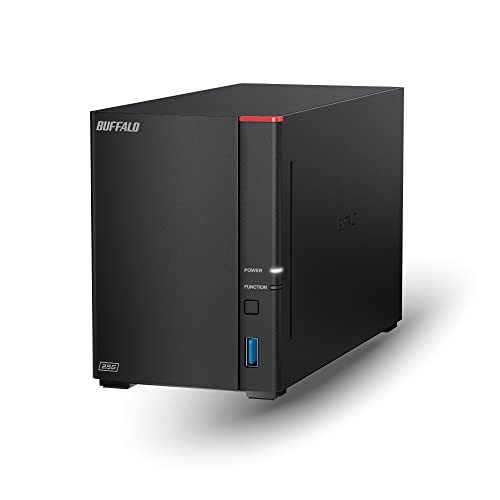
BUFFALO LinkStation 720 8TB 2-Bay Home Office Private Cloud Data Storage with Hard Drives Included/Computer Network Attached Storage/NAS Storage/Network Storage/Media Server/File Server
Get enhanced features, cloud capabilities, MacOS 26 compatibility, and up to 7x faster performance than LS 200.
As an affiliate, we earn on qualifying purchases.
As an affiliate, we earn on qualifying purchases.
Microsoft Azure Blob Storage: Pros and Cons
Pros:
- Lower costs for Microsoft-centric organizations
- Strong integration with Microsoft tools
- Simpler, more predictable pricing options
- Good enterprise support network
Cons:
- Smaller ecosystem compared to AWS
- Less extensive global reach
- Fewer third-party integrations
Who Should Choose What
Choose Amazon Web Services (AWS) S3 if:
- Your organization requires a broad ecosystem, third-party integrations, and global reach
- You need high scalability and performance at a large scale
- Your team is technically proficient and prefers AWS tools and APIs
Choose Microsoft Azure Blob Storage if:
- You are already heavily invested in Microsoft products and services
- Cost savings within the Microsoft ecosystem are a priority
- You prefer seamless integration with Microsoft 365, Azure AD, and other Microsoft tools
Value for Money
AWS offers greater flexibility, a more extensive ecosystem, and broader global infrastructure, making it better for organizations seeking vendor-neutral solutions at scale. Azure provides cost advantages and seamless Microsoft integration, which can significantly reduce complexity and improve efficiency for Microsoft-centric enterprises. The decision hinges on existing infrastructure, ecosystem preferences, and workload demands; paying more for AWS is justified for large, diverse, or distributed workloads, whereas Azure offers better value for Microsoft-aligned environments.
Final Verdict
Choose AWS S3 if your organization needs extensive global reach, third-party integrations, and high scalability regardless of higher costs. Opt for Azure Blob Storage if your infrastructure is built on Microsoft tools, cost predictability, and simplified management are priorities. The key factor is ecosystem alignment versus broad versatility; select based on your existing technology landscape and strategic needs.
Frequently Asked Questions
Which cloud storage solution is more suitable for a global enterprise?
AWS S3 generally provides better global coverage with more data centers worldwide, offering lower latency and higher redundancy options.
Is Azure cheaper than AWS for large-scale storage?
Azure can be more cost-effective for organizations already invested in Microsoft products, especially with discounts and reserved capacity options.
Which option offers better security and compliance?
Both are highly secure and compliant; AWS has a slight edge in certifications, but Azure integrates more seamlessly with Microsoft security tools.
Can I switch between AWS and Azure easily?
Migration depends on workload complexity, data size, and integrations. Both providers offer tools for data transfer, but switching can involve significant planning.