
AIThis post was created with the assistance of artificial intelligence (AI).
TL;DR

Buying for a business?Offer from Amazon
Get business pricing on networking and server gear
- Business-only prices and quantity discounts
- Tax-exempt purchasing
- Multiple users, one account, clear invoices
Create a free Business account Free to register
As an affiliate, we earn on qualifying purchases.
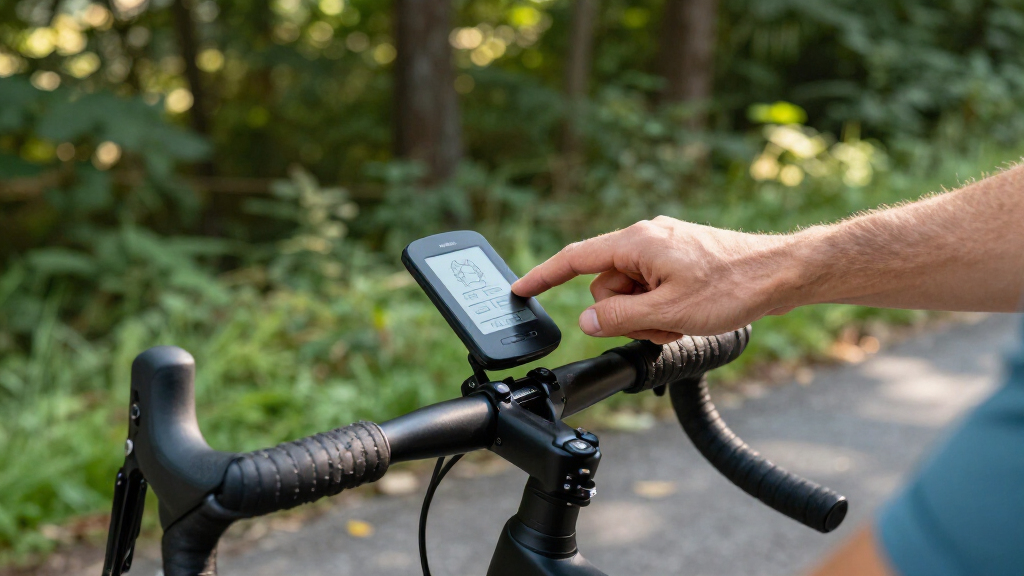
A developer has launched an open-source eInk bike computer on Show HN, offering a customizable, low-power display for cyclists. The project aims to appeal to DIY enthusiasts and tech-savvy riders, with interest increasing amid rising coverage of open hardware projects.
At a glance
announcementWhen: launched and posted on Show HN recently…
The developmentA developer has released an open-source eInk bike computer project on Show HN, emphasizing its low power use and customizability, sparking growing interest in DIY cycling tech.
Potential Impact on DIY Cycling Tech and Sustainability
This development could significantly influence the DIY cycling community by providing an affordable, customizable, and energy-efficient alternative to commercial bike computers. The open-source nature enables users to tailor features, improve hardware, and integrate new sensors, fostering innovation and reducing reliance on proprietary systems. Additionally, leveraging eInk technology aligns with sustainability goals by lowering power consumption, extending device battery life, and promoting environmentally friendly tech practices. As interest in open hardware grows, this project could catalyze further innovation in cycling accessories and broader open electronics initiatives, especially among hobbyists and sustainability advocates.Amazon
As an affiliate, we earn on qualifying purchases.
Rising Interest in Open Hardware and Cycling Tech
Over recent years, there has been a notable increase in interest around open-source hardware projects, driven by a desire for transparency, customization, and affordability. The cycling community, in particular, has shown enthusiasm for DIY solutions that replace or augment commercial devices, such as GPS units and sensors. The trend is also fueled by broader movements toward sustainability and energy efficiency, making low-power devices like eInk displays appealing. While many open cycling projects exist, few focus specifically on open-source, energy-efficient displays, making this new project a noteworthy addition. The trigger for this surge remains unconfirmed, but it aligns with broader patterns of DIY tech adoption and open hardware exploration.Amazon
As an affiliate, we earn on qualifying purchases.
Unconfirmed Aspects and Development Status
It is not yet clear how fully developed the hardware and software are, or how widely the project will be adopted. The developer has shared initial designs and code, but real-world testing, durability, and user feedback remain to be seen. Additionally, the extent of community involvement and potential commercial interest is still uncertain. The trigger for the current surge in interest is also unconfirmed, with speculation that broader trends in open hardware and sustainability are influencing attention.Amazon
As an affiliate, we earn on qualifying purchases.
Next Steps for the eInk Bike Computer Project
The developer plans to release detailed hardware schematics, firmware, and assembly instructions to encourage community participation. Future updates may include integration with popular cycling sensors, improved display interfaces, and extended battery life. Monitoring community feedback and testing results will be crucial to assessing the project’s viability and potential for wider adoption. Additionally, broader coverage and interest are expected to grow as more users experiment with and customize the device, possibly leading to collaborative improvements and new features.Amazon
As an affiliate, we earn on qualifying purchases.
Key Questions
Is the open-source eInk bike computer available for purchase?
No, the project is currently in the development and sharing phase, with hardware designs and software code available for community use and modification.What hardware does the project use?
The project features a lightweight eInk display connected to a microcontroller, with wireless communication capabilities such as ANT protocol for sensor integration. Exact specifications are available in the project’s open documentation.Can I customize or improve the device?
Yes, since the project is open-source, users are encouraged to modify the hardware and software, contribute improvements, and adapt it to their specific cycling needs.What are the main advantages of eInk technology for bike computers?
eInk displays consume very little power, are highly readable in direct sunlight, and do not require backlighting, making them ideal for long rides and energy-efficient operation.Is this project suitable for all types of cycling?
The project is designed to be flexible, but its suitability depends on the hardware robustness and feature set, which are still in development. Community feedback will help determine its broader applicability.Source: hn
Halloween Picks
halloween
halloween
As an affiliate, we earn on qualifying purchases.