

To implement Zero Trust in cloud environments, start by adopting a “never trust, always verify” mindset, continuously assessing user identities, device health, and location at each access point. Use strong multi-factor authentication, micro-segmentation, and granular access controls to limit lateral movement. Automate security policies, monitor activity in real time, and incorporate standards like policy-as-code for seamless enforcement. If you want to build a resilient and secure cloud, understanding these steps is essential — more details follow.
Key Takeaways
- Conduct comprehensive asset inventory and risk assessments to identify vulnerabilities in cloud resources.
- Implement strict identity verification with multi-factor authentication and centralized identity governance.
- Use microsegmentation to isolate cloud workloads and limit lateral movement of threats.
- Employ continuous monitoring and advanced analytics for real-time threat detection and response.
- Enforce consistent security policies across multi-cloud environments with automation and policy-as-code.
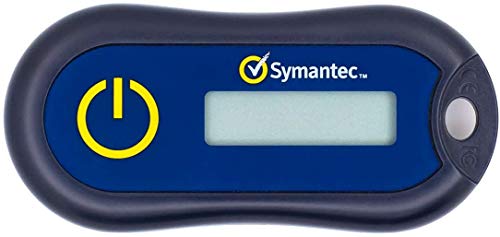
Symantec VIP Hardware Authenticator – OTP One Time Password Display Token – Two Factor Authentication – Time Based TOTP – Key Chain Size
Standard OATH compliant TOTP token (time based)
As an affiliate, we earn on qualifying purchases.
As an affiliate, we earn on qualifying purchases.
Understanding the Core Principles of Zero Trust in Cloud Settings

To effectively secure cloud environments, you need to understand the core principles of Zero Trust architecture. This approach assumes no implicit trust in users, devices, or networks—everything is untrusted by default. Trust isn’t static; it’s continuously re-evaluated based on factors like device health, user behavior, location, and request sensitivity. Traditional perimeter security no longer works in the cloud, so you must embrace a “never trust, always verify” mindset. Every access attempt and network activity must be logged, monitored, and analyzed to detect anomalies or compromised credentials. Authentication and authorization happen repeatedly, using multi-factor authentication and contextual signals. Policies are dynamic and adaptive, enforcing fine-grained controls through micro-segmentation, ensuring minimal privilege access and reducing the attack surface. Recognizing that trust is dynamic and can change over time is fundamental to implementing effective Zero Trust strategies. Incorporating continuous monitoring further enhances security by providing real-time insights into network activity and potential threats. Additionally, leveraging advanced analytics helps identify emerging attack patterns and response opportunities more swiftly.

Zero Trust Security Engineer: Journal, Notes, Ideas, Actions, Priorities, Checklists, Log | Tool for Daily Goal Setting Tracker | Time Management | … | Project Office Book Gifts for Meetings
As an affiliate, we earn on qualifying purchases.
As an affiliate, we earn on qualifying purchases.
Establishing a Robust Identity and Access Management Framework

Establishing a robust Identity and Access Management (IAM) framework is essential for implementing effective Zero Trust security in cloud environments. You need to guarantee only authorized users access your critical assets. Focus on these key areas:
A strong IAM framework is vital for Zero Trust security in cloud environments, ensuring only authorized users access critical assets.
- Implement Zero Trust authentication with multi-factor authentication (MFA) to add layers of security. This approach minimizes the risk of unauthorized access by verifying user identities thoroughly.
- Use Privileged Access Management (PAM) tools to control and monitor privileged sessions in real-time.
- Centralize user identities, roles, and entitlements with Identity Governance and Administration (IGA). Regularly assessing and adjusting access rights helps prevent unnecessary permissions.
- Enable Identity Federation to provide seamless, policy-enforced access across multiple applications. Proper access control mechanisms are vital to maintaining security consistency.
- Ensuring proper color accuracy in your security protocols can enhance the clarity and effectiveness of access controls. Additionally, understanding user behavior patterns can help identify potential security threats before they materialize. Incorporating identity verification methods can further strengthen your security posture against sophisticated attacks.

Access Control and Identity Management (Information Systems Security & Assurance)
As an affiliate, we earn on qualifying purchases.
As an affiliate, we earn on qualifying purchases.
Implementing Network Micro-Segmentation for Enhanced Security

Building on your identity and access controls, implementing network micro-segmentation adds a vital layer of security by dividing your network into smaller, isolated segments. This approach limits lateral movement, making it harder for attackers to spread within your environment. You can secure each segment with specific policies, applying granular controls at the workload or application level. Micro-segmentation adapts well to cloud, hybrid, and multicloud setups, supporting Zero Trust and defense-in-depth strategies. It enables you to isolate workloads, enforce strict communication rules, and improve visibility into network traffic. While it requires careful planning and testing to prevent performance issues, integrating micro-segmentation with existing security measures enhances your overall security posture and helps contain breaches effectively. Regular assessments and a clear understanding of goal achievement can further optimize your segmentation strategy. Incorporating network segmentation techniques also supports compliance with industry standards and best practices. Additionally, leveraging security policies can help automate and enforce consistent controls across all segments.

Trend Micro Deep Security on AWS (AWS Quick Start)
As an affiliate, we earn on qualifying purchases.
As an affiliate, we earn on qualifying purchases.
Integrating Continuous Device and Endpoint Security Measures

You need to implement continuous endpoint posture checks to guarantee devices stay compliant with security policies. Real-time threat detection helps identify suspicious activity early, reducing the risk of breaches. Combining these measures keeps your cloud environment secure and responsive to emerging threats. Incorporating video tutorials can enhance understanding of these security strategies. Regular training on precious metals investment options can further strengthen your security posture by informing your team about potential risks and best practices. Additionally, staying updated on cybersecurity fundamentals ensures your security protocols adapt to evolving attack techniques. Understanding tuning techniques from various Honda models can also inspire innovative approaches to security customization and optimization.
Continuous Endpoint Posture Checks
Continuous endpoint posture checks play a crucial role in maintaining network security by verifying that all devices comply with security policies before granting access. This ongoing process ensures endpoints meet standards like encryption, firewall settings, and antivirus status, preventing vulnerabilities. You benefit from automated assessments that reduce manual effort and provide real-time insights into device security. To maximize effectiveness, focus on:
- Evaluating device configurations, including antivirus and firewall status
- Ensuring only compliant devices connect through strict access controls
- Conducting continuous, real-time security assessments to catch changes immediately
- Using data from Endpoint Protection Platforms (EPPs) to streamline monitoring without extra software and promote a secure and compliant device environment. Additionally, integrating real-time monitoring enhances the ability to respond swiftly to emerging threats.
Real-time Threat Detection
Integrating real-time threat detection into your Zero Trust architecture enhances your ability to identify and respond to emerging threats instantly. Cloud security alerts have surged by 388% in 2024, highlighting the need for continuous monitoring. CDR tools offer real-time visibility, allowing you to detect and respond swiftly across cloud environments. AI-powered detection analyzes vast data sets, identifying anomalies and prioritizing risks efficiently. In multi-cloud setups, maintaining consistent security controls is vital, despite added complexity. Addressing cloud misconfigurations and increasing attack trends—80% of companies face more cloud threats—requires proactive measures. Leveraging real-time telemetry from endpoints provides device visibility and enables rapid threat containment. Automated responses, aligned with Zero Trust principles, help you minimize the attack surface and strengthen overall security posture.
Step-by-Step Approach to Zero Trust Deployment in the Cloud

How can organizations effectively deploy Zero Trust architecture in the cloud? Start with thorough planning: create an asset inventory to identify all cloud resources, then conduct a risk assessment to pinpoint vulnerabilities. Engage stakeholders, including IT and business leaders, to build support and develop clear policies guiding the deployment. Next, design your architecture by implementing microsegmentation, mapping data flows, and establishing least privilege access controls. During deployment, adopt a phased approach to reduce disruption, select compatible technologies, and ensure multi-cloud support for flexibility. Additionally, consider security compliance standards to align your deployment with industry regulations. Incorporating security best practices can further strengthen your Zero Trust framework and reduce potential attack surfaces. Finally, enhance security with multi-factor authentication, endpoint validation, and continuous monitoring. Regularly update policies, provide training, and evaluate performance to maintain a resilient Zero Trust environment. Staying organized and deliberate guarantees a successful cloud Zero Trust deployment. Comprehensive planning methods can help ensure all aspects of the deployment are thoroughly addressed. Additionally, integrating financial considerations, such as cost management and budgeting, can optimize resource allocation during deployment.
Overcoming Common Challenges During Zero Trust Adoption

Managing complexity and ensuring a positive user experience are key challenges when adopting Zero Trust. You need strategies to simplify integration across diverse systems while keeping users engaged and productive. Incorporating layered security measures can serve as a metaphor for how layered security measures must work seamlessly to deliver clear and effective results. Building emotional intelligence within teams can also improve collaboration and foster understanding during complex implementation processes. Balancing security with usability is essential to gain support and maintain operational efficiency. Additionally, personality traits such as open communication and empathy can facilitate better collaboration among teams during implementation.
Complexity Management Strategies
Adopting Zero Trust Architecture introduces significant complexity that organizations must carefully navigate to guarantee successful implementation. Managing this complexity involves strategic planning and targeted actions. Consider these approaches:
- Prioritize critical assets by phased deployment to reduce resource strain and focus on high-risk areas first.
- Standardize policies across cloud and on-premises systems to prevent gaps and streamline management.
- Leverage automation for continuous monitoring and policy enforcement, easing the burden on IT teams.
- Invest in training to ensure staff understands new controls, reducing resistance and improving security posture.
- Maintain a comprehensive understanding of cloud environment configurations to effectively adapt security measures during deployment. Additionally, understanding merchant services risks and compliance requirements can inform better security strategies in cloud environments.
- Recognizing the importance of resource demands and how they influence security architecture can help in designing scalable solutions that accommodate organizational growth.
These strategies help you handle resource demands, simplify integration, and assure a smoother transition to Zero Trust. Staying organized and deliberate minimizes operational risks and enhances your security resilience.
User Experience Balance
Implementing Zero Trust can substantially disrupt user workflows, leading to frustration and resistance if not carefully balanced. You’ll notice verification steps that seem cumbersome, causing delays and lowering productivity. Training on new tools and policies may slow operations initially, requiring patience and support. Resistance to change is common, increasing the risk of human error, which accounts for many costly cyber incidents. Incorporating adaptive authentication, like single sign-on with risk-based verification, helps users accept security measures naturally. Legacy systems often lack compatibility, leading to inconsistent access and authentication issues. Frequent or complex MFA can frustrate users, but adaptive methods improve usability. During initial deployment, resource strains may limit support, so incremental upgrades and clear communication are vital to maintaining a positive user experience throughout the progression.
Leveraging Technology and Standards for Effective Zero Trust Operations

Leveraging technology and standards is essential for creating effective zero trust operations in cloud environments. You should focus on core components, standards, and automation tools that enable continuous verification and adaptive security. Here are four key elements:
Effective zero trust in the cloud relies on technology, standards, and automation for continuous verification and adaptive security.
- Policy Engine and Policy Administrator – evaluate and enforce access decisions based on policies and telemetry, ensuring continuous control.
- Continuous Multi-Factor Authentication (MFA) – verifies identities at each access attempt, reducing credential risks.
- Micro-segmentation – divides networks into granular zones, limiting lateral movement and enforcing least privilege.
- Security Automation and Analytics – use SOAR, behavioral analytics, and policy-as-code to automate responses, monitor assets, and adjust trust dynamically.
Frequently Asked Questions
How Does Zero Trust Adapt to Hybrid Multi-Cloud Environments?
Zero Trust adapts to hybrid multi-cloud environments by enforcing consistent identity, access, and policy controls across all platforms. You should implement unified IAM solutions, continuous authentication, and multi-factor authentication to verify users. Encrypt data at rest and in transit, segment networks, and automate security responses. Overcome operational complexities by leveraging third-party tools for visibility and policy enforcement, ensuring a cohesive security posture that minimizes risks regardless of where resources reside.
What Are Best Practices for Managing Machine Identities Securely?
Managing machine identities securely is like keeping a fortress strong—you must stay vigilant. Automate issuance, renewal, and revocation to prevent human error. Use strong cryptographic standards and store secrets in secure vaults. Continuously monitor for anomalies, audit access logs, and enforce least privilege. Segregate identities based on sensitivity, and revoke credentials when unused or compromised. By staying one step ahead, you keep your environment resilient against threats.
How Do You Measure Zero Trust Implementation Success?
You measure Zero Trust implementation success by tracking key KPIs like Attack-Surface Contraction Rate, which shows how well you’re reducing exposed assets. You also monitor Mean Time to Detect and Validate for faster threat response, and Policy Enforcement Accuracy to minimize false positives. Additionally, keep an eye on Micro-Segmentation Coverage Ratio for system protection, MFA Adoption Rate, and how quickly you revoke access after user departure. These metrics reveal your security posture and improvements over time.
What Are Common Pitfalls During Zero Trust Rollout?
You often face pitfalls like inadequate planning, which leads to overlooked infrastructure needs or poor integration with existing systems. You might underestimate the complexity of change management, causing resistance or confusion among staff. Rushing deployment without thorough testing can create vulnerabilities. Additionally, neglecting ongoing monitoring hampers long-term success. To avoid these, you should prioritize detailed planning, staff training, and phased implementation, ensuring continuous assessment and adaptation throughout the rollout.
How Can Zero Trust Improve User Experience Without Compromising Security?
Zero Trust enhances your user experience by enabling direct, seamless access to applications without the delays of VPNs. You benefit from single sign-on and adaptive authentication, which simplify login and reduce frustration. Continuous context-based checks ensure security stays tight without constant disruptions. This approach supports remote and mobile workstyles, delivering a smooth, fast experience while maintaining robust security, so you can work confidently without sacrificing ease of use.
Conclusion
As you move toward zero trust in your cloud environment, every step you take brings new security possibilities—and hidden challenges. Will your current setup withstand evolving threats? The path isn’t straightforward, but with the right strategies, you can build a resilient, adaptive defense. Are you ready to access the full potential of zero trust? The next move could define your organization’s security future—don’t wait too long to find out.