
TL;DR

Get business pricing on networking and server gear
- Business-only prices and quantity discounts
- Tax-exempt purchasing
- Multiple users, one account, clear invoices
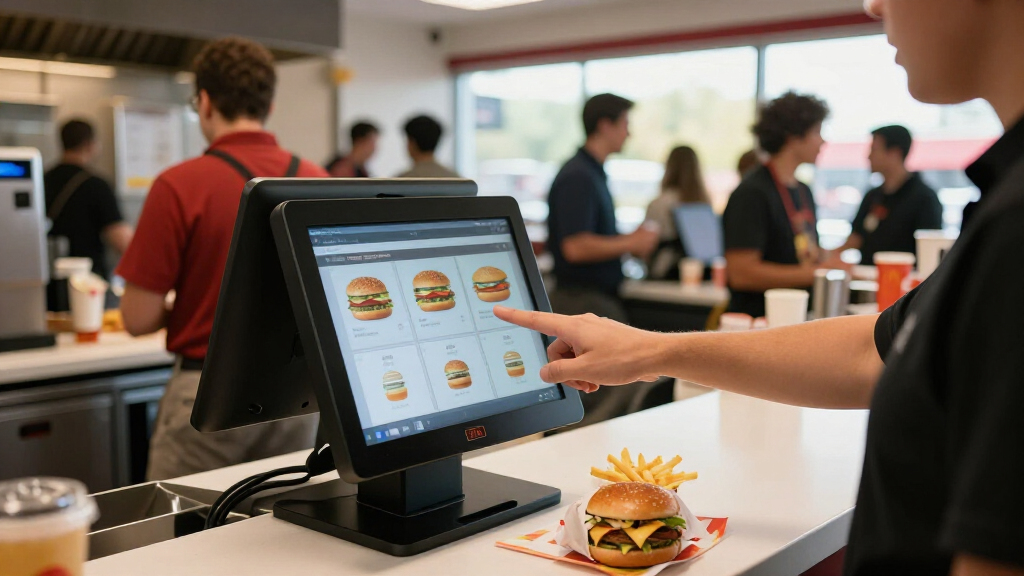
McDonald’s uses a machine-learning tool to recommend prices for menu items at its nearly 14,000 restaurants, according to a Reuters investigation. The company says franchisees remain free to set prices, while some owners told Reuters they felt pressure to follow the recommendations. It is unclear whether the tool caused specific price gaps between nearby restaurants.
McDonald’s is using a machine-learning pricing tool to recommend menu prices across its nearly 14,000 restaurants, according to a Reuters investigation based on screenshots and interviews with nine people familiar with the strategy. The system’s recommendations can differ by location, raising questions about customer pricing, franchisee independence and how algorithmic pricing is scrutinized.
The engine analyzes data from millions of daily transactions and generates what McDonald’s calls an “optimal price” for items ranging from Big Macs to discounted coffee for seniors. Reuters reviewed screenshots of the tool, which include assessments of a restaurant’s “price sensitivity” based partly on customer willingness to pay in its area. The portal also displays public online menu prices from nearby competitors, including Wendy’s and Burger King. Both chains told Reuters they do not use AI to make pricing decisions.
Reuters found different Big Mac prices at two company-run restaurants in Fresno, California: $5.69 at one store and $6.89 at another, roughly two miles away. The higher price was about 21% more. Reuters could not establish whether the difference came from the pricing engine’s recommendations or other factors. McDonald’s said costs and market conditions vary, and restaurants a few miles apart can be in different markets.
McDonald’s says franchisees are free to set their own prices and describes the portal as a tool, not a mandate. Five franchise owners told Reuters the company pressured them to use its pricing tools. A June document reviewed by Reuters records franchisees’ deviations from recommendations. An internal communication said that, beginning in January, franchisees would need to be “constructively engaging with McDonald’s approved Pricing Consultant and Tools” under new business standards.
Pricing Power Meets Franchise Autonomy
The system could affect what customers pay at individual restaurants and how much control local operators have over those prices. McDonald’s describes the recommendations as part of its effort to offer affordable options, while some franchisees told Reuters they experienced pressure to adopt them. That tension matters because franchisees operate restaurants that may compete with one another, including within the same local market.
Algorithmic pricing also draws attention from regulators and customers when it leads to different prices for the same product. The Fresno example illustrates a price gap, but the available reporting does not show that the AI tool caused it. Whether recommendations become actual prices, and how consistently franchisees follow them, remains central to understanding the system’s impact.
Top picks for "mcdonald dynamically price"
As an affiliate, we earn on qualifying purchases.
From Pricing Tools to AI Recommendations
In 2023, McDonald’s chief executive Chris Kempczinski told investors the company had developed proprietary tools to evaluate pricing at individual restaurants. The Reuters report describes a broader system that draws on transaction data and local information to produce item-by-item recommendations.
A separate franchisee dispute offers a glimpse of how high the suggested prices could be. Connecticut operator George Michell alleged in a lawsuit that the tool advised him in 2023 to charge about $18 for a Big Mac meal at a restaurant on a state turnpike. Reuters could not independently verify what the tool recommended. McDonald’s disputes Michell’s lawsuit, which alleges the company sought to push him out of its franchise system for discriminatory reasons.
Other companies have faced criticism over algorithmic pricing. Wendy’s drew backlash in 2024 after its chief executive discussed testing “dynamic pricing”; the company later told Reuters it had not implemented the system and said its remarks had been misconstrued. Instacart ended a limited AI pricing test in December after a study prompted consumer and lawmaker criticism. It said it would never use personal information to determine item prices.
““It’s in the interest of the company to know where there’s (customer) demand and to get that feedback in real time.” But using the technology to raise prices simply because demand is higher, she said, “doesn’t really help me as a customer.””
— Diane Bezucha, a Brooklyn resident
How Recommendations Become Prices
The reporting does not establish how often franchisees follow the tool’s recommendations, whether its advice directly caused the observed Fresno price gap, or how the company evaluates whether customers receive better value. McDonald’s says operators set their own prices; franchisees interviewed by Reuters described pressure to use the tools. The extent of that pressure and the consequences of departing from recommendations are not fully clear.
The regulatory implications are also unresolved. Screenshots reviewed by Reuters show McDonald’s warning that franchisees who use the portal could face antitrust scrutiny because restaurant owners may be competitors. The report does not establish that the system has violated antitrust law or that regulators have opened a specific investigation into it.
Affordability and Oversight Ahead
McDonald’s has told investors that its pricing engine supports a broader focus on affordability and that franchisees recognize the need for low-cost menu items to attract lower-income customers. The company’s next steps, including any changes to the tool or its franchisee standards, were not specified in the source material.
Further scrutiny is likely to focus on how recommendations are generated, how much discretion franchisees have in practice, and whether customers face different prices because of the system. The available report does not identify a regulatory decision or a timetable for one.
Key Questions
Does McDonald’s set prices automatically with AI?
The tool analyzes transaction and local market data and recommends prices. McDonald’s says the recommendations are not mandatory and that franchisees set their own prices.
Are Big Macs more expensive at some McDonald’s locations?
Yes. Reuters found a $5.69 Big Mac at one company-run Fresno restaurant and a $6.89 price at another about two miles away. It could not confirm whether the pricing engine caused the difference.
Do competitors Wendy’s and Burger King use AI pricing?
Both companies told Reuters they do not use AI to make pricing decisions. Wendy’s also said it did not implement a dynamic pricing system after its 2024 comments drew criticism.
Is McDonald’s pricing engine under antitrust investigation?
The source material does not report a specific investigation or legal finding. McDonald’s portal warns franchisees that using it may raise antitrust concerns because restaurant owners can be competitors.
Source: fediverse
Fall Picks
fall essentials
As an affiliate, we earn on qualifying purchases.