
TL;DR

Get networking and server gear delivered free — and shop member deals
- Fast, free delivery on millions of items
- Access to Prime Big Deal Days deals on October 6–7
- Prime Video, Amazon Music and more included
A report based on a keynote to engineering leaders describes AI as accelerating changes in software development, with engineers increasingly directing multiple coding agents instead of writing code by hand. The report also flags weaker code quality and reliability, while stressing that teams and planning still matter; the scale and durability of these trends remain uncertain.
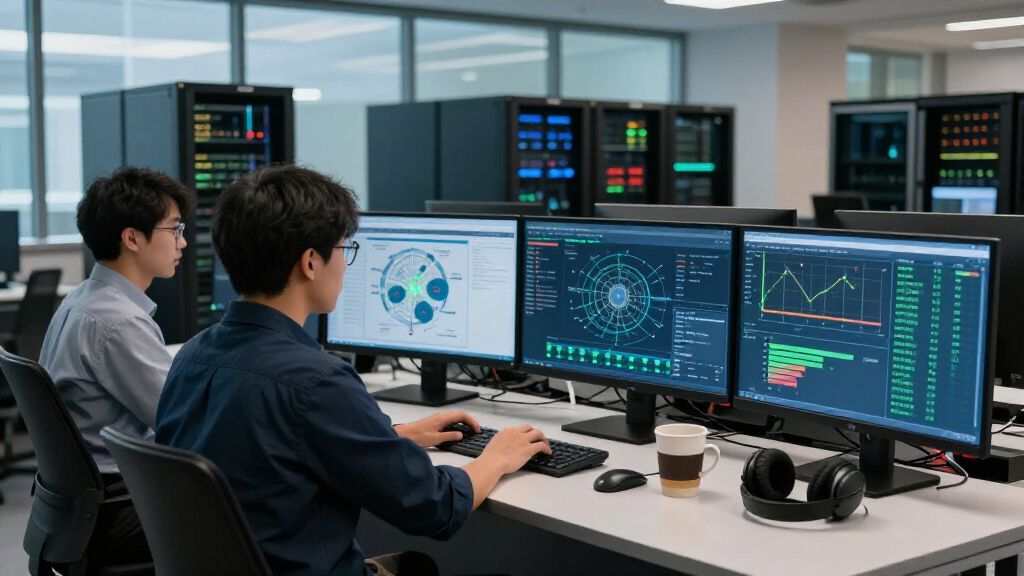
A 2026 snapshot of the tech industry published by The Pragmatic Engineer describes AI coding tools changing how software engineers work, with some developers coordinating five to 10 agent sessions at once rather than writing code line by line. The report, based on a keynote at the LDX3 engineering leadership conference, also warns that code quality and reliability are down and that code reviews can become performative when teams rely heavily on generated output.
The report’s author says the shift gathered pace after coding models improved near the end of 2025. In interviews and conversations cited in the report, engineers described assigning separate tasks to multiple AI agents, then switching between sessions to check or guide their work. These examples illustrate practices among particular developers; they are not survey results establishing how common the approach is across the industry.
Claude Code creator Boris Cherny described using five terminal sessions and another five to 10 Claude sessions on the web in parallel. Cockroach Labs co-founder Peter Mattis said his cognitive capacity generally allows him to manage five to 10 agent sessions, sometimes with subagents. Dima Zaytsev, a software engineer at Linear, described rotating between local worktrees while agents produce code.
The report groups the changes into three categories: practices that are emerging, problems that have appeared, and fundamentals that persist. Alongside less hand-written code and a reduced reliance on conventional integrated development environments, it identifies assumptions about code output, review, quality and reliability as areas under strain. It says teams and planning remain important, and argues that non-engineers have not simply begun shipping software on their own.
AI Changes the Engineer’s Daily Work
The shift matters because coding agents can change where engineering time goes: from typing and editing code toward specifying tasks, coordinating agent sessions and checking their output. If that pattern spreads, companies may need to rethink how they assign work, review changes and judge productivity. The report presents this as an industry trend, but its examples are drawn from practitioners and do not establish adoption rates or measurable productivity gains.
The reported concerns about quality and reliability point to a practical trade-off. Producing code faster does not by itself show that software is safer, easier to maintain or more useful. Teams still need effective testing, review and planning, particularly when people are supervising more work in parallel. The report’s argument is that the tools are changing quickly, not that established engineering responsibilities have disappeared.
As an affiliate, we earn on qualifying purchases.
From Coding Models to Agent Workflows
The report draws on a keynote delivered at LDX3 in New York, a conference attended by more than 2,000 engineering leaders and practitioners, according to its author. The author says the preparation included visits to AI labs OpenAI and Anthropic, conversations with technology companies and access to unpublished data from GitHub, Factory AI and Linear. The supplied material does not publish that underlying data or provide enough detail to assess its methods.
Technology workers have previously adapted to changes including the internet, smartphones, cloud computing and new programming tools. The report argues that the present AI shift is arriving at greater scale and speed. Martin Fowler, a software engineering expert quoted from The Pragmatic Summit, said AI’s impact is unlike earlier changes he had experienced. The report’s author also forecasts further development in cloud-based coding agents and supporting infrastructure, but those are expectations, not confirmed outcomes.
“Nothing has hit with the magnitude of AI. This is a whole size difference from anything that we’ve faced before.”
— Martin Fowler, at The Pragmatic Summit
As an affiliate, we earn on qualifying purchases.
How Broad Is Adoption?
The report offers practitioner accounts and an overview of trends, but the supplied material does not provide a representative survey showing what share of engineers use agents or how often. It also does not quantify the reported decline in code quality or reliability, identify a consistent measurement method, or compare outcomes between agent-assisted and conventional development.
It remains unclear whether managing many agent sessions will become routine across different companies and types of software work. The report’s predictions about cloud coding agents, new AI infrastructure and engineers reading less code are forecasts. Their impact will depend on how tools develop and whether organizations can maintain sound review and testing practices.
As an affiliate, we earn on qualifying purchases.
Testing the Agent-Driven Workflow
The report points to continued development of cloud coding agents and the infrastructure used to coordinate them. Its author expects these practices to grow, but does not give a timetable or identify specific milestones that would confirm the forecast. The available material does not announce a new product, policy change or industry-wide commitment.
The next questions for engineering teams are practical: how much work agents can complete reliably, what review is needed, and whether productivity gains hold up after testing and maintenance costs are counted. Broader, transparent data on adoption, output quality and reliability would help distinguish durable changes from early practices concentrated among highly productive engineers and AI-focused teams.
As an affiliate, we earn on qualifying purchases.
Key Questions
What is the main development described in the report?
The report says AI coding agents are changing software development workflows, with some engineers managing several agent sessions in parallel. It also describes concerns about code quality, reliability and review.
Does the report show that most engineers have stopped writing code by hand?
No representative survey or industry-wide measurement is included in the supplied material. The report describes a trend and cites individual engineers’ practices, but those examples do not establish how most engineers work.
What risks does the report identify?
It says assumptions about AI-generated code have broken down and flags lower quality and reliability and reviews that can become theatrical. The material does not quantify these problems or specify how widely they occur.
What does the report say is not changing?
It argues that teams and planning remain important and that AI tools have not made non-engineers independently responsible for shipping software. These are the author’s conclusions, not findings from a published industry-wide survey.
What developments does the report expect next?
The author expects more cloud-based coding agents and new infrastructure to support AI-assisted software work. These are forecasts; the report does not give a timetable or confirm how quickly they will spread.
Source: rss
Halloween Picks
halloween
As an affiliate, we earn on qualifying purchases.