
High swap usage signals your system is struggling to manage memory, which can slow down performance, cause lag, or even lead to crashes. When your computer relies heavily on swap, it’s a warning that your RAM might be insufficient or your applications are using too much memory. Ignoring this can result in data loss and security risks. Keep an eye on swap levels, as staying ahead helps prevent bigger issues—there’s more to understand if you keep exploring.

Get business pricing on networking and server gear
- Business-only prices and quantity discounts
- Tax-exempt purchasing
- Multiple users, one account, clear invoices
Key Takeaways
- Persistent high swap usage indicates insufficient RAM, which can lead to system slowdown and decreased productivity.
- Increased swap activity causes excessive disk I/O, slowing down overall system performance.
- Ignoring high swap signals risks system crashes, data loss, and potential security vulnerabilities.
- Regularly monitoring swap helps detect resource issues early, preventing long-term stability problems.
- Addressing high swap usage through upgrades or optimization maintains system health and data security.
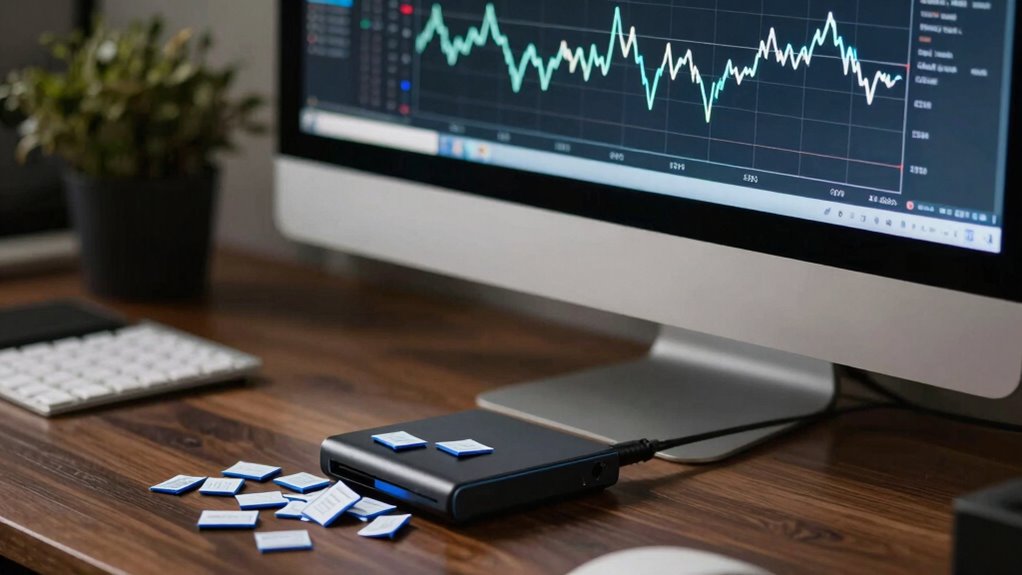
If you notice your computer’s swap usage consistently climbing, it’s a warning sign that your system is struggling to keep up with the demands placed on its memory. Swap space acts as an overflow area when your RAM fills up, but heavy reliance on it can slow down your entire system. As swap usage increases, you’ll likely see a decline in disk performance, since your drive needs to work harder to read and write data that’s pushed into swap. This slowdown can affect your productivity and frustrate your workflow, but the implications go beyond just speed. Elevated swap activity may hint at deeper issues with your system’s memory management or workload demands that require attention. Regular monitoring of swap can reveal system performance issues before they escalate.
When swap usage is high, your system is effectively swapping data back and forth between RAM and disk. This constant movement can lead to increased disk I/O, causing delays in data retrieval and processing. Over time, this can result in a noticeable lag in your applications, making even simple tasks feel sluggish. More critically, persistent high swap usage can compromise data security. If your system becomes overwhelmed and starts to crash or behave unpredictably, there’s a risk of data loss or corruption. Files and applications may not save properly, and in extreme cases, you might experience system crashes that jeopardize sensitive information. Ensuring your system is properly configured and not overly reliant on swap is essential for maintaining data integrity. Recognizing the signs early can help prevent system instability and potential data breaches.
Monitoring swap usage is crucial because it serves as an early warning indicator of insufficient memory capacity or inefficient resource allocation. If your system constantly uses swap, it might be time to upgrade your RAM or optimize your applications to use memory more efficiently. Ignoring these signs can lead to degraded disk performance, but more importantly, it puts your data security at risk. When your system is under strain, vulnerabilities can arise, making it easier for malicious actors to exploit weaknesses or for accidental data breaches to occur. Additionally, memory management practices play a significant role in maintaining overall system health. Regularly checking your system’s resource usage and addressing high swap activity helps keep your device running smoothly and your data secure.
As an affiliate, we earn on qualifying purchases.
Frequently Asked Questions
How Much Swap Usage Is Considered Abnormal?
You should be concerned if swap usage exceeds 10-15% regularly, especially during light tasks. High swap usage often leads to memory compression and disk thrashing, slowing your system down considerably. When swap is consistently high, it indicates your RAM is insufficient, and your system relies heavily on disk space, which is much slower. Keep an eye on this to prevent performance issues and consider upgrading your RAM if needed.
Can High Swap Usage Harm My SSD or HDD?
High swap usage can be like a storm tearing through your system, risking your SSD or HDD. Virtual memory, when overused, causes disk thrashing—constant read/write cycles—that wear down your drive over time. While SSDs are more resilient, excessive swap activity still accelerates wear. So, yes, persistent high swap usage can harm your storage device, making it essential to address underlying memory issues before damage occurs.
Does Swap Usage Affect Gaming Performance?
Swap usage can affect gaming performance, especially if your system relies heavily on it. When your RAM fills up, the system uses swap space, leading to slower load times and lag. To improve gaming, focus on memory optimization and proper disk management—adding more RAM or configuring your swap settings can reduce reliance on swap, ensuring smoother gameplay. Keep an eye on swap usage to prevent performance dips.
How Can I Prevent Excessive Swap Usage?
Think of your system as a well-tuned engine; to prevent excessive swap usage, you need to focus on memory optimization and regular disk cleanup. Close unnecessary programs, free up disk space, and upgrade your RAM if needed. These steps help keep your system running smoothly, reducing the need for swapping and improving overall performance. Staying proactive guarantees your computer stays responsive, much like a finely tuned sports car.
Is Swap File Size Adjustable on All Operating Systems?
Yes, swap file size is adjustable on most operating systems. You need to access your system’s memory management settings to change it, which varies between Windows, Linux, and macOS. Adjusting swap size can improve performance, but it’s important to perform regular disk cleanup to free space and prevent excessive swap usage. Be cautious, as improper changes might cause stability issues, so follow recommended guidelines for your OS.
As an affiliate, we earn on qualifying purchases.
Conclusion
If you ignore high swap usage, it’s like missing a flickering warning light on your dashboard—you might think it’s just a minor glitch, but it could signal bigger issues ahead. Just as a small spark can ignite a fire, neglecting this sign can lead to system crashes or data loss. Stay vigilant, monitor your swap, and address the warning early. That way, you keep your system running smoothly, avoiding unexpected breakdowns like a driver avoiding a hidden pothole.
As an affiliate, we earn on qualifying purchases.
As an affiliate, we earn on qualifying purchases.
Fall Picks
fall essentials
As an affiliate, we earn on qualifying purchases.