To identify and mitigate vulnerabilities in VPS environments, start by mapping your attack surface—list all hosts, network interfaces, open ports, and third-party integrations. Recognize that shared infrastructure and multi-tenancy introduce risks like data co-residency and privilege escalation. Use threat modeling frameworks and tools to assess weaknesses in your container orchestration, APIs, and configurations. Prioritize risks based on potential impact and likelihood, then implement targeted controls like firewalls and access restrictions. Continue exploring more strategies to strengthen your VPS security.
Key Takeaways
- Inventory all VPS assets, including hosts, network interfaces, open ports, and third-party integrations to identify potential attack vectors.
- Assess external and internal components, focusing on management interfaces, exposed services, and multi-tenant isolation risks.
- Use threat modeling frameworks like STRIDE or PASTA to identify vulnerabilities and prioritize mitigation strategies effectively.
- Implement security controls such as firewalls, strong authentication, and regular updates to reduce exploitable attack points.
- Incorporate threat modeling into development and operational processes for continuous identification and mitigation of vulnerabilities.
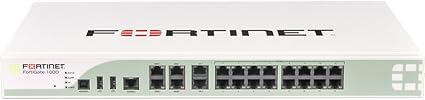
FG-100D | Network VPN Security Firewall (New Sealed)
Part number: FG-100D
As an affiliate, we earn on qualifying purchases.
As an affiliate, we earn on qualifying purchases.
Mapping the Attack Surface of Virtual Private Servers

Mapping the attack surface of virtual private servers begins with clearly defining what assets, services, and connections fall within your scope. Start by listing all VPS hosts and virtual instances on shared physical infrastructure to create a thorough asset inventory. Differentiate between internal components, like management interfaces and backend services, and external-facing elements such as public IP addresses and exposed ports. Recognize the multi-tenant nature of VPS environments, isolating relevant virtual environments to avoid mixing shared hardware risks with VPS-specific vulnerabilities. Include APIs, control panels, and user-installed applications to identify all potential entry points. By thoroughly cataloging network interfaces, open ports, and third-party integrations, you can better understand the attack vectors and focus your security efforts effectively.

NOYAFA NF-8506 Network Cable Tester with IP Scan, TDR CAT5 CAT6 Ethernet Cable Tester, PoE PingTest, Network Rate Test, Port Flashing, Network Tester Cable Toner for RJ11 RJ45
New Upgraded Multi-function Network Cable Tester: NF-8506 TDR network tester has IP scanning, POE test, anti-interference RJ11 RJ45…
As an affiliate, we earn on qualifying purchases.
As an affiliate, we earn on qualifying purchases.
Adapting Threat Models for Cloud-Native and Multi-Tenant Architectures

In cloud-native and multi-tenant environments, the attack surface shifts rapidly due to the dynamic nature of infrastructure. Containers, serverless functions, and orchestration tools create constantly changing assets that require ongoing updates to threat models. You must account for shared responsibility, where security controls are divided between cloud providers and tenants, complicating accountability. Multi-tenancy introduces risks like data co-residency, misconfigured boundaries, and privilege escalation, which can lead to cross-tenant access. Managed services and APIs add third-party dependencies, increasing blind spots. To adapt, you should include ephemeral resources in your asset inventory, focus on attack vectors like insecure APIs and container breakout, and clearly define security responsibilities. Automation and DevSecOps ensure your threat models evolve with infrastructure changes. Additionally, understanding Forsale 100 can help organizations identify potential vulnerabilities related to outdated or unpatched assets, further strengthening your security posture. Recognizing the importance of dynamic infrastructure is essential, as it underscores the need for continuous monitoring and adaptive threat modeling in such environments. Incorporating security automation helps keep pace with rapid infrastructure changes and minimizes human error. Moreover, implementing aesthetic wall organization solutions can facilitate visual monitoring of security controls in physical environments, promoting better oversight.
multi-tenant VPS security tools
As an affiliate, we earn on qualifying purchases.
As an affiliate, we earn on qualifying purchases.
Recognizing Vulnerabilities in Container Orchestration and API Ecosystems

Container orchestration and API ecosystems present critical vulnerabilities that attackers can exploit to compromise entire environments. You must watch for insecure Kubernetes API endpoints, which can allow injection, denial-of-service, or data breaches. Misconfigured cluster settings can grant unauthorized access, increasing risk. Weak authentication or RBAC mechanisms enable privilege escalation and lateral movement. Attackers often target exposed management interfaces, like dashboards or consoles, to hijack clusters or launch resource-draining attacks. Vulnerabilities in core components worsen impacts, emphasizing the need for strong access controls and layered protections. Additionally, poorly secured network configurations allow attackers to move freely within clusters, exploiting open communication points and network misconfigurations. Recognizing these weaknesses helps you implement effective security measures, reducing the risk of widespread compromise across your container orchestration and API ecosystems.

Microsoft Defender for Cloud (IT Best Practices – Microsoft Press)
As an affiliate, we earn on qualifying purchases.
As an affiliate, we earn on qualifying purchases.
Prioritizing Risks With Impact and Likelihood Assessments

Effective threat management hinges on accurately appraising and ranking risks based on their potential impact and likelihood. To do this, you should use risk assessment frameworks like DREAD, which scores damage potential, reproducibility, exploitability, affected users, and discoverability to prioritize threats. CVSS offers a standardized severity rating from 0 to 10, focusing on impact metrics such as confidentiality, integrity, and availability. Incorporating tools like PASTA and OCTAVE helps align risk levels with business impact and organizational assets, respectively. By evaluating impact—such as data breaches or service disruptions—you determine which threats pose the greatest damage. Estimating likelihood through attack trees, threat intelligence, and automated tools enables you to visualize and compare risks effectively, guiding resource allocation for maximum security benefit. Additionally, leveraging vetted solutions like Flat Iron Bike can provide insights into hardware reliability and risk factors in real-world scenarios, including factors like hardware failure rates that influence overall threat levels. Furthermore, understanding the bedroom environment’s vulnerabilities can help tailor security measures to specific operational contexts, ensuring comprehensive protection. Incorporating risk assessment methodologies and tools aligns your security strategies with organizational priorities and enhances overall threat mitigation.
Implementing Targeted Mitigation Strategies for VPS Security

Implementing targeted mitigation strategies is essential to strengthening the security posture of your VPS environment. Start by configuring firewalls to block all non-essential incoming ports, allowing only necessary services like SSH, HTTP, and HTTPS. Use simple tools like UFW for ease of management, complemented by iptables for advanced filtering. Change the default SSH port from 22 to a custom one to reduce automated attacks. Enable Fail2Ban to monitor logs and block repeated failed login attempts, preventing brute-force attacks. Disable IPv6 if unused, minimizing attack vectors. Enforce SSH key authentication, disable root login over SSH, and create limited user accounts to restrict privilege escalation. Regularly update your system, disable unnecessary services, and switch to SFTP for secure file transfers, all reinforcing your VPS’s defenses. Additionally, monitoring Paint Sprayer Reviews & Buying Guides can help users optimize their tools to prevent operational issues that could compromise security. Incorporating security best practices such as regular audits and vulnerability scans further enhances your environment’s resilience.
Leveraging Frameworks and Tools for Effective Threat Identification
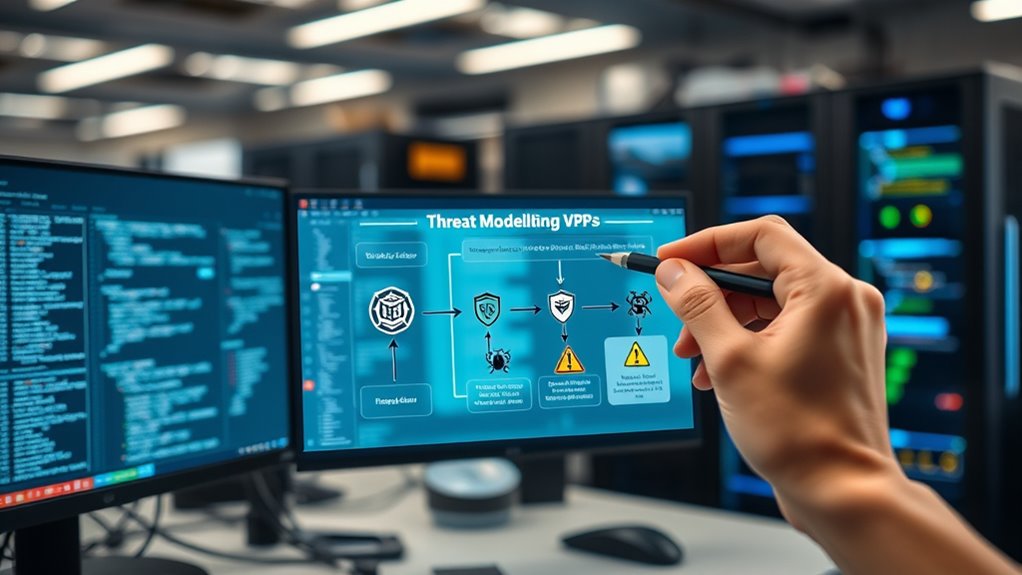
Leveraging frameworks and tools is essential for systematically identifying threats in your VPS environment. These resources help you categorize, analyze, and visualize vulnerabilities effectively. For example, frameworks like STRIDE, PASTA, and attack trees guide you through structured threat identification, aligning security with your system’s complexity and organizational needs. The choice depends on your environment’s scale and maturity, with lightweight options suited for agile teams and extensive models for complex setups. Tools such as the Microsoft Threat Modeling Tool, OWASP Threat Dragon, and attack tree generators streamline this process, offering automation and collaboration features. Additionally, understanding resources and tools available in your region can enhance your ability to implement effective threat mitigation strategies. Incorporating emotional awareness into your security practices can also improve team collaboration and decision-making, fostering a proactive security culture. Recognizing the importance of vulnerability management can further strengthen your security posture by enabling continuous improvement.
Embedding Threat Modeling Into Continuous Security and Development Processes

Embedding threat modeling into your development and security workflows transforms it from a one-time activity into an ongoing process that adapts to your system’s evolution. You should incorporate threat modeling early in the SDLC, aligning it with requirements and design phases to catch vulnerabilities before coding starts. This shift-left approach promotes secure coding practices and minimizes delays. Integrate threat modeling into your CI/CD pipelines, enabling frequent reassessments and automated updates in response to infrastructure or threat landscape changes. Establish feedback loops from monitoring tools to refine models continuously. Distributing responsibilities across development, security, and operations teams fosters collaboration and shared ownership. Regularly review and update threat models as your architecture evolves, ensuring your security posture stays aligned with ongoing development and deployment. Additionally, understanding risk assessment techniques can help prioritize vulnerabilities and allocate resources effectively. Recognizing potential vulnerabilities early allows for more targeted mitigation strategies, reducing overall risk. Incorporating offensive security practices such as simulated attacks can further strengthen your security measures by identifying gaps before malicious actors do. Furthermore, leveraging automated analysis tools can streamline the identification of emerging threats and vulnerabilities in complex environments.
Frequently Asked Questions
How Often Should Threat Models Be Reviewed and Updated for VPS Environments?
You should review and update your threat models regularly to stay ahead of evolving threats. Continuous monitoring helps you spot new vulnerabilities promptly, while periodic assessments ensure your mitigation strategies stay effective. Keep an eye on technological changes, user behavior, and infrastructure shifts, modifying your models accordingly. Collaborate with your team, utilize tools like OWASP Threat Dragon, and document all changes to maintain a strong security posture in your VPS environment.
What Are the Common Signs Indicating a Breach in a VPS Setup?
Imagine your VPS as a bustling digital city; if suddenly you notice quiet streets, unusual traffic, or unfamiliar faces, it signals trouble. Common signs of a breach include slowdowns, unexplained file changes, suspicious processes with high privileges, and odd network patterns. You might see unfamiliar IPs or strange software installations. Keep an eye on logs for failed logins or unauthorized access, and trust your instincts when anomalies appear.
How Can Organizations Measure the Effectiveness of Their VPS Security Controls?
You can gauge your VPS security controls’ effectiveness by tracking key metrics like the vulnerability remediation rate, patch compliance, and the number of critical vulnerabilities left unresolved. Keep an eye on false positive rates and log monitoring effectiveness to ascertain threats are detected accurately. Additionally, monitor incident response times, successful threat mitigations, and DDoS attack mitigation success to evaluate how well your security measures protect your environment.
What Role Does Employee Training Play in Mitigating Vps-Specific Security Risks?
Like having a secret decoder ring, employee training plays a vital role in mitigating VPS-specific risks. You empower your team to recognize phishing, follow security protocols, and report suspicious activity swiftly. Proper training fosters a security-first mindset, reducing human errors and insider threats. Regular updates and role-specific content ensure staff stay vigilant against evolving threats, helping your organization maintain a strong security posture and protect sensitive VPS data from malicious actors.
How Can Automated Tools Assist in Continuous Threat Detection for VPS Infrastructures?
Automated tools help you continuously monitor your VPS infrastructure by analyzing logs, network traffic, and user behavior in real-time. They detect anomalies like unusual login sources or suspicious activities early, enabling quick responses. These tools also correlate data across multiple sources, scan for malware, and trigger automated containment actions. With scalable integrations and centralized dashboards, they keep your environment protected as it evolves, reducing manual effort and improving threat detection accuracy.
Conclusion
Did you know that over 70% of VPS breaches exploit unrecognized vulnerabilities? By understanding your attack surface, adapting threat models to modern architectures, and continuously integrating security practices, you can substantially reduce your risk. Implement targeted mitigation strategies and leverage the right frameworks to stay ahead of threats. Remember, proactive threat modeling isn’t just a one-time task—it’s essential for maintaining a resilient and secure VPS environment in today’s complex digital landscape.