Virtual private cloud services give teams isolated networking and infrastructure in a public cloud, while private-cloud tools let organizations build and operate cloud environments themselves. For this roundup, I name the Amazon Virtual Private Cloud User Guide the best overall starting point because it covers AWS’s core VPC concepts; the AWS Networking Cookbook stands out for practical configuration problems, while Building Private Clouds with OpenStack suits readers planning self-managed infrastructure. The main tradeoff is whether you need AWS-specific guidance, beginner instruction, or a broader private-cloud build path. These titles are learning resources, not cloud services you can subscribe to, so I compare them by how well they prepare you to select or manage an environment. Read on for the full breakdown and guidance on matching a resource to your project.

Get business pricing on networking and server gear
- Business-only prices and quantity discounts
- Tax-exempt purchasing
- Multiple users, one account, clear invoices
Key Takeaways
- AWS VPC guidance dominates this list: several titles focus on amazon.com/dp/B01LXK99FJ?tag=vpshostingdiscount-20&ascsubtag=dc-1265774″ target=”_blank” rel=”nofollow sponsored noopener”>amazon.com/dp/B0742HR1Y4?tag=vpshostingdiscount-20&ascsubtag=dc-1265774″ target=”_blank” rel=”nofollow sponsored noopener”>AWS, making them a closer fit for AWS network design than for building a provider-independent private cloud.
- The Amazon Virtual Private Cloud User Guide ranks first for its broad, foundational AWS VPC coverage; the Cookbook is more task-focused, not a replacement for a full reference.
- OpenStack and VMware represent distinct private-cloud paths: OpenStack centers on building and operating an open platform, while the VMware title is suited to readers already invested in that ecosystem.
- Beginner resources trade depth for approachability: the AWS VPC Tutorial for Beginners can ease the first steps, but administrators will likely need a more detailed guide alongside it.
- These books and guides are not cloud providers: readers seeking deployable infrastructure should use them to inform a separate comparison of provider features, security controls, support, and operating costs.
| Amazon Virtual Private Cloud User Guide |  | Best for AWS VPC Reference | Product type: User guide | Subject: Amazon Virtual Private Cloud | Cloud focus: Amazon Web Services | VIEW LATEST PRICE | See Our Full Breakdown |
| AWS Networking Cookbook: Recipes for Optimizing Your Virtual Private Cloud (VPC) |  | Best for Practical AWS Optimization | Product type: Networking cookbook | Primary topic: AWS networking and VPC optimization | Cloud focus: Amazon Web Services | VIEW LATEST PRICE | See Our Full Breakdown |
| Build Your Own Private Cloud with Docker and Linux (2026 Edition) |  | Best for Self-Hosted Cloud Control | Product type: Private-cloud guide | Edition: 2026 | Tools covered: Docker and Linux | VIEW LATEST PRICE | See Our Full Breakdown |
| Visible Ops Private Cloud: From Virtualization to Private Cloud in 4 Practical Steps |  | Best for Private Cloud Implementation Planning | Product type: Private-cloud implementation guide | Stated starting point: Virtualization | Stated destination: Private cloud | VIEW LATEST PRICE | See Our Full Breakdown |
| Cloud Computing Networking: Configuring Virtual Private Networks and Load Balancers |  | Best for VPN and Load Balancer Topics | Product type: Cloud networking guide | Primary topic: Cloud computing networking | Networking subjects: Virtual private networks and load balancers | VIEW LATEST PRICE | See Our Full Breakdown |
| Amazon Virtual Private Cloud Connectivity Options (AWS Whitepaper) |  | Best for Comparing AWS Connectivity Choices | Format: AWS whitepaper | Subject: Amazon Virtual Private Cloud connectivity options | Cloud platform: Amazon Web Services | VIEW LATEST PRICE | See Our Full Breakdown |
| Virtualization and Private Cloud with VMware Cloud Suite |  | Best for VMware-Oriented Private Cloud Exploration | Subject: Virtualization and private cloud | Named platform: VMware Cloud Suite | Product type: Not specified | VIEW LATEST PRICE | See Our Full Breakdown |
| Building Private Clouds with OpenStack: A Practical Guide to Enterprise Infrastructure, Automation, Scalability, and Cloud Operations |  | Best for Practical OpenStack Private-Cloud Building | Subject: Building private clouds with OpenStack | Coverage: Enterprise infrastructure, automation, scalability, and cloud operations | Series: The Complete OpenStack Series | VIEW LATEST PRICE | See Our Full Breakdown |
| AWS Virtual Private Cloud (VPC) Tutorial for Beginners |  | Best for Beginner AWS VPC Orientation | Topic: Amazon Web Services Virtual Private Cloud | Intended audience: Beginners | Resource type: Tutorial | VIEW LATEST PRICE | See Our Full Breakdown |
| Amazon Virtual Private Cloud Network Administrator Guide |  | Best for AWS Network Administrators | Subject: Amazon Virtual Private Cloud | Intended audience: Network administrators | Resource type: Guide | VIEW LATEST PRICE | See Our Full Breakdown |
| virtual private cloud service | ASIN | Product type | Subject |
|---|---|---|---|
| Amazon Virtual Private Cloud U | 9888408186 | User guide | Amazon Virtual Private Cloud |
| AWS Networking Cookbook: Recip | B0742HR1Y4 | Networking cookbook | — |
| Build Your Own Private Cloud w | B0GX3689LN | Private-cloud guide | — |
| Visible Ops Private Cloud: Fro | B008P20YPG | Private-cloud implementation guide | — |
| Cloud Computing Networking: Co | B0GHZMTT3V | Cloud networking guide | — |
| Amazon Virtual Private Cloud C | B01LXK99FJ | — | Amazon Virtual Private Cloud connectivity options |
| Virtualization and Private Clo | B06XPMR8VR | Not specified | Virtualization and private cloud |
| Building Private Clouds with O | B0HFW7N2PY | — | Building private clouds with OpenStack |
| AWS Virtual Private Cloud | B07BZHHLJG | — | — |
| Amazon Virtual Private Cloud N | 9888407678 | — | Amazon Virtual Private Cloud |
More Details on Our Top Picks
Amazon Virtual Private Cloud User Guide
This guide is the most directly AWS-focused choice in this group, making it a fit for readers who need a reference for Amazon Virtual Private Cloud rather than a general introduction to private cloud design. Compared with AWS Networking Cookbook: Recipes for Optimizing Your Virtual Private Cloud (VPC), its stated purpose is broader user guidance, while the cookbook is framed around practical optimization recipes. The available product information does not identify specific chapters, examples, or supported AWS features, so I would treat it as a topic reference rather than assume it covers a particular deployment task. It also differs from Build Your Own Private Cloud with Docker and Linux (2026 Edition), which concerns self-hosted services instead of AWS. Its main tradeoff is limited detail in the listing, which makes it harder to judge depth before choosing it.
Pros:- Dedicated to Amazon Virtual Private Cloud
- More directly focused on AWS VPC than the Docker and Linux self-hosting guide
- Can serve readers looking for user-guide-style material
Cons:- The available product data does not specify topics, examples, or coverage depth
- No stated focus on practical optimization recipes like the AWS Networking Cookbook
- The listing does not identify edition or format details
Best for: AWS users seeking a guide specifically about Amazon VPC and who prefer an AWS-focused reference over a self-hosting guide.
Not ideal for: Readers who want documented step-by-step recipes, a named beginner tutorial, or details about the guide’s coverage before selecting a resource.
- Product type:User guide
- Subject:Amazon Virtual Private Cloud
- Cloud focus:Amazon Web Services
- Named edition:Not provided
- Topic coverage details:Not provided
- ASIN:9888408186
Our verdict“Choose this guide when your main need is AWS VPC user guidance, but prefer the cookbook if you specifically want optimization recipes.”
AWS Networking Cookbook: Recipes for Optimizing Your Virtual Private Cloud (VPC)
Recipe-led AWS networking gives this book a distinct role: it is aimed at readers working through common VPC optimization challenges, not at people comparing private-cloud platforms. That practical framing sets it apart from the broader Amazon Virtual Private Cloud User Guide, which is identified as a user guide but has no stated optimization emphasis. It also differs from Cloud Computing Networking: Configuring Virtual Private Networks and Load Balancers, whose scope includes VPNs and load balancers rather than AWS VPC optimization specifically. The tradeoff is that the supplied description does not name any recipes, prerequisites, or AWS features covered, so buyers cannot confirm whether it matches a particular network problem. I would choose it when an AWS practitioner wants task-oriented material, and skip it when the goal is vendor-neutral networking instruction.
Pros:- Focuses on AWS networking and VPC optimization
- Uses a practical recipe-based framing
- Targets common VPC challenges rather than private-cloud concepts in general
Cons:- The provided details do not identify individual recipes or covered AWS features
- No stated beginner level or prerequisite knowledge
- AWS-specific focus limits its fit for vendor-neutral networking needs
Best for: AWS practitioners who already work with VPCs and want a cookbook framed around common networking and optimization challenges.
Not ideal for: Readers who need a clearly scoped beginner course, confirmed instructions for a specific AWS feature, or guidance that applies across cloud providers.
- Product type:Networking cookbook
- Primary topic:AWS networking and VPC optimization
- Cloud focus:Amazon Web Services
- Approach:Practical recipes
- Stated problem area:Common VPC optimization challenges
- Specific recipes listed:Not provided
- ASIN:B0742HR1Y4
Our verdict“Pick this cookbook for task-oriented AWS VPC optimization guidance, provided its unspecified recipe coverage suits your needs.”
Build Your Own Private Cloud with Docker and Linux (2026 Edition)
Self-hosting is the defining difference here: this guide focuses on deploying services with Docker and Linux while retaining control of personal data. That makes it a different kind of private-cloud resource from the AWS-centered Amazon Virtual Private Cloud User Guide and the VPC optimization recipes in AWS Networking Cookbook. It is better suited to readers building an environment they administer themselves than to teams seeking an AWS-managed virtual network. The 2026 edition is identified in the supplied data, but no specific projects, hardware needs, security topics, or skill prerequisites are listed. Those omissions matter because self-hosted services put more operational responsibility on the owner. I would favor this over the AWS guides when data control and Docker/Linux deployment are the goal, but not when the requirement is an AWS VPC setup.
Pros:- Covers Docker and Linux for self-hosted services
- Focuses on building a private cloud rather than only configuring an AWS VPC
- Emphasizes keeping control of personal data
- Identified as the 2026 edition
Cons:- Does not target Amazon VPC or AWS networking tasks
- The supplied details do not describe its projects, security coverage, or skill level
- Self-hosting places service operation and maintenance on the reader
Best for: Linux users, homelab builders, and privacy-minded operators who want to deploy self-hosted services with Docker.
Not ideal for: AWS teams configuring managed VPC networks or readers who want a guide with listed project steps, prerequisites, and operational coverage.
- Product type:Private-cloud guide
- Edition:2026
- Tools covered:Docker and Linux
- Deployment approach:Self-hosted services
- Stated focus:Building a private cloud
- Data emphasis:Control over personal data
- ASIN:B0GX3689LN
Our verdict“Choose this guide for a Docker-and-Linux self-hosted environment, not for configuring an AWS-managed VPC.”
Visible Ops Private Cloud: From Virtualization to Private Cloud in 4 Practical Steps
A four-step implementation framing gives this guide a clear audience: readers moving from virtualization toward a private-cloud operating model. Unlike Build Your Own Private Cloud with Docker and Linux (2026 Edition), which centers on self-hosted services and named technologies, this title presents a broader implementation path. It also differs from the AWS-focused Networking Cookbook, which addresses VPC optimization rather than the shift from virtualization to private cloud. The description supports its practical, process-oriented angle, but provides no details about the four steps, platform assumptions, or technical depth. That makes it harder to judge whether the approach fits a specific infrastructure estate. I would consider it for planning a private-cloud initiative, while readers who need hands-on AWS configuration or Docker instructions should choose a more narrowly technical guide.
Pros:- Directly addresses the move from virtualization to private cloud
- Organizes the stated approach into four practical steps
- Has a broader implementation focus than the AWS-specific VPC resources
Cons:- The supplied description does not explain what the four steps involve
- No platform requirements or technical depth are specified
- Does not state a focus on AWS VPC configuration or self-hosted Docker services
Best for: IT teams and infrastructure planners seeking a practical framework for moving an existing virtualization environment toward private cloud.
Not ideal for: Readers seeking named platform instructions, specific AWS VPC configurations, or detailed Docker and Linux deployment guidance.
- Product type:Private-cloud implementation guide
- Stated starting point:Virtualization
- Stated destination:Private cloud
- Approach:Four practical steps
- Platform details:Not provided
- Technical depth:Not provided
- ASIN:B008P20YPG
Our verdict“Choose this for a step-based private-cloud implementation framework, but look elsewhere for platform-specific configuration instructions.”
Cloud Computing Networking: Configuring Virtual Private Networks and Load Balancers
VPN and load-balancer configuration gives this guide a networking-focused role rather than a complete private-cloud build path. That scope contrasts with Visible Ops Private Cloud: From Virtualization to Private Cloud in 4 Practical Steps, which is framed around implementation planning, and with the AWS Networking Cookbook, whose stated focus is AWS VPC optimization. Readers who need to understand these two networking components may find the topic alignment useful, but the description does not say which cloud platforms, deployment patterns, or technical level the guide covers. That uncertainty makes it a weaker fit for buyers who need provider-specific VPC instructions. I would choose it when VPNs and load balancers are the immediate learning goals; for AWS-specific VPC work, the AWS titles provide a closer match by subject.
Pros:- Names virtual private networks as a core topic
- Includes load balancers in its stated scope
- Addresses cloud networking rather than only private-cloud planning
Cons:- The provided details do not identify supported cloud platforms
- No specific configuration examples or technical level are described
- Less directly aligned with AWS VPC optimization than the AWS Networking Cookbook
Best for: Cloud networking learners and operators whose immediate tasks involve virtual private networks or load balancers.
Not ideal for: Readers who need an AWS-specific VPC manual, a private-cloud migration framework, or confirmed coverage of a particular cloud platform.
- Product type:Cloud networking guide
- Primary topic:Cloud computing networking
- Networking subjects:Virtual private networks and load balancers
- Cloud platform coverage:Not provided
- Specific configuration details:Not provided
- Technical level:Not provided
- ASIN:B0GHZMTT3V
Our verdict“Pick this guide when VPNs and load balancers are your main networking topics, and choose an AWS title for provider-specific VPC work.”
Amazon Virtual Private Cloud Connectivity Options (AWS Whitepaper)
I’d choose this whitepaper when the main question is how to connect an Amazon VPC to other networks, rather than how to learn every part of VPC administration. Its specific focus on connectivity options gives it a narrower job than Amazon Virtual Private Cloud User Guide, which is positioned as a broader reference. That focus can help readers frame network design decisions, but the supplied information does not identify which connection methods, scenarios, or configuration steps the paper covers. Compared with Amazon Virtual Private Cloud Network Administrator Guide, this title signals a topic-focused overview rather than an administrator-oriented guide. I’d treat it as a starting point for evaluating connectivity, not as a substitute for current AWS documentation or a detailed implementation manual.
Pros:- Explicitly focused on Amazon VPC connectivity options
- AWS-specific subject matter helps keep the reading centered on VPC network design
- A narrower scope than the general Amazon Virtual Private Cloud User Guide may suit readers with a defined connectivity question
Cons:- No details are provided about the connection methods or scenarios covered
- The available information does not confirm publication date or whether its guidance reflects current AWS services
- A whitepaper may not provide the step-by-step administration coverage sought by operators
Best for: AWS architects and network planners who need a focused reading resource on VPC connectivity choices before selecting a design.
Not ideal for: Readers who need verified configuration steps, a beginner course, or detailed coverage of VPC topics beyond connectivity; the available product details do not establish that breadth.
- Format:AWS whitepaper
- Subject:Amazon Virtual Private Cloud connectivity options
- Cloud platform:Amazon Web Services
- Scope:Connectivity options
- ASIN:B01LXK99FJ
- Publication date:Not provided
Our verdict“Choose it for a focused AWS VPC connectivity overview, but verify coverage and currency before relying on it for implementation.”
Virtualization and Private Cloud with VMware Cloud Suite
This title is the lineup’s clearest signpost toward VMware Cloud Suite and the relationship between virtualization and private cloud. That makes it distinct from Building Private Clouds with OpenStack, which is described as a practical guide centered on OpenStack deployment, automation, and operations. For readers whose organization is already considering VMware, the title may help identify relevant learning material; however, the supplied data gives no description, contents, or specifications, so I can’t confirm whether it is a hands-on guide, an overview, or a current treatment of the suite. I’d rank it below the better-described OpenStack book for buyers who need a clear learning path. Its possible value is platform alignment, while its main tradeoff is uncertainty about depth and coverage.
Pros:- Title explicitly connects virtualization, private cloud, and VMware Cloud Suite
- Potentially relevant to organizations already considering VMware-based infrastructure
- Offers a platform-specific alternative to the OpenStack focus of Building Private Clouds with OpenStack
Cons:- No description or technical specifications are provided
- The available data does not establish its depth, format, or intended skill level
- Currency of its VMware material cannot be verified from the supplied information
Best for: IT decision-makers or virtualization administrators evaluating private-cloud learning resources specifically associated with VMware Cloud Suite.
Not ideal for: Readers who need confirmed hands-on instructions, current product coverage, or a clearly documented curriculum; no description or specifications are available.
- Subject:Virtualization and private cloud
- Named platform:VMware Cloud Suite
- Product type:Not specified
- Format:Not provided
- Intended audience:Not provided
- ASIN:B06XPMR8VR
Our verdict“Consider it only when VMware alignment matters and you can confirm the book’s contents and currency before purchase.”
Building Private Clouds with OpenStack: A Practical Guide to Enterprise Infrastructure, Automation, Scalability, and Cloud Operations
Among these five, this is the strongest fit for readers aiming to build and operate an actual private cloud, rather than learn AWS VPC concepts. Its stated coverage spans enterprise infrastructure, automation, scalability, and cloud operations, giving it a broader deployment-to-operations remit than the AWS-specific connectivity whitepaper. It also offers more explicit scope than Virtualization and Private Cloud with VMware Cloud Suite, whose supplied data confirms only its title. The tradeoff is platform commitment: this guide is centered on OpenStack, so its lessons may not map directly to VMware or AWS environments. The listing does not specify technical prerequisites, versions, or individual implementation topics, so readers should check those details if compatibility with a particular OpenStack release is a requirement.
Pros:- Explicitly focused on building private clouds with OpenStack
- Covers enterprise infrastructure alongside automation and scalability
- Includes cloud operations, extending its stated scope beyond initial deployment
- More clearly described than the VMware Cloud Suite title in this batch
Cons:- OpenStack-specific guidance may not transfer directly to AWS VPC or VMware environments
- No OpenStack version or technical prerequisites are provided
- The available description does not identify individual labs, examples, or implementation procedures
Best for: Infrastructure engineers and cloud operations teams planning an OpenStack-based enterprise private cloud, especially those seeking material spanning automation and ongoing operations.
Not ideal for: AWS VPC learners, VMware-focused teams, or readers who need confirmed guidance for a particular OpenStack version; the supplied details do not name a release.
- Subject:Building private clouds with OpenStack
- Coverage:Enterprise infrastructure, automation, scalability, and cloud operations
- Series:The Complete OpenStack Series
- Book:2
- ASIN:B0HFW7N2PY
- OpenStack version:Not provided
Our verdict“Choose this guide for a clearly scoped OpenStack private-cloud path, provided its version and technical level match your environment.”
AWS Virtual Private Cloud (VPC) Tutorial for Beginners
This tutorial has the most clearly stated entry-level audience in the AWS group: beginners learning Amazon VPC. That makes it a more approachable starting point than Amazon Virtual Private Cloud Network Administrator Guide, whose title is aimed at network administrators. It also differs from the AWS connectivity whitepaper by promising a beginner tutorial rather than a topic-specific connectivity resource. The limitation is how little the listing confirms: there is no format, lesson outline, or coverage detail, so I can’t tell whether it explains network fundamentals, setup, or troubleshooting. I’d select it only when the learner needs an AWS VPC introduction and can verify the tutorial’s contents. For experienced practitioners or readers building a private cloud on OpenStack, the OpenStack guide is a better-matched choice.
Pros:- Specifically focused on Amazon Web Services VPC
- Identifies beginners as its intended audience
- Its tutorial framing distinguishes it from the administrator-focused network guide
Cons:- No format or tutorial outline is provided
- The supplied details do not confirm which VPC concepts or tasks are covered
- Depth and currency cannot be established from the available information
Best for: New AWS learners who want a beginner-oriented introduction to Amazon Virtual Private Cloud rather than an administrator reference.
Not ideal for: Experienced AWS network engineers needing detailed operational guidance, or teams building an OpenStack or VMware private cloud.
- Topic:Amazon Web Services Virtual Private Cloud
- Intended audience:Beginners
- Resource type:Tutorial
- Cloud platform:Amazon Web Services
- Format:Not provided
- ASIN:B07BZHHLJG
Our verdict“A possible first AWS VPC resource for beginners, but verify its format and coverage before relying on it as a learning course.”
Amazon Virtual Private Cloud Network Administrator Guide
This guide is the most directly role-targeted AWS resource in the batch: its title addresses network administrators working with Amazon VPC. That makes it a stronger title-level match for practitioners than AWS Virtual Private Cloud (VPC) Tutorial for Beginners, which is explicitly beginner-focused. Compared with the Amazon Virtual Private Cloud Connectivity Options whitepaper, this guide signals an administration-oriented remit rather than a narrow connectivity topic. Still, the supplied description does not list procedures, network areas, or supported AWS features, so the title alone cannot confirm how useful it is for day-to-day operations. I’d favor it when the reader’s role matches its stated audience, but check its publication details and contents before using it as an operational reference.
Pros:- Explicitly aimed at network administrators
- Focused on Amazon Virtual Private Cloud rather than private-cloud platforms generally
- Its role-oriented framing contrasts with the beginner tutorial and connectivity whitepaper
Cons:- No detailed topic list or procedures are provided
- Publication date and currency are not specified
- The available description does not establish whether it covers current AWS VPC capabilities
Best for: AWS network administrators seeking a resource specifically framed around administering Amazon Virtual Private Cloud.
Not ideal for: Newcomers seeking a confirmed beginner tutorial, or administrators who require documented coverage of specific VPC tasks and current AWS features.
- Subject:Amazon Virtual Private Cloud
- Intended audience:Network administrators
- Resource type:Guide
- Cloud platform:Amazon Web Services
- Publication date:Not provided
- ASIN:9888407678
Our verdict“Pick it for an administrator-oriented AWS VPC resource only after confirming that its contents match your operational needs.”
How We Picked
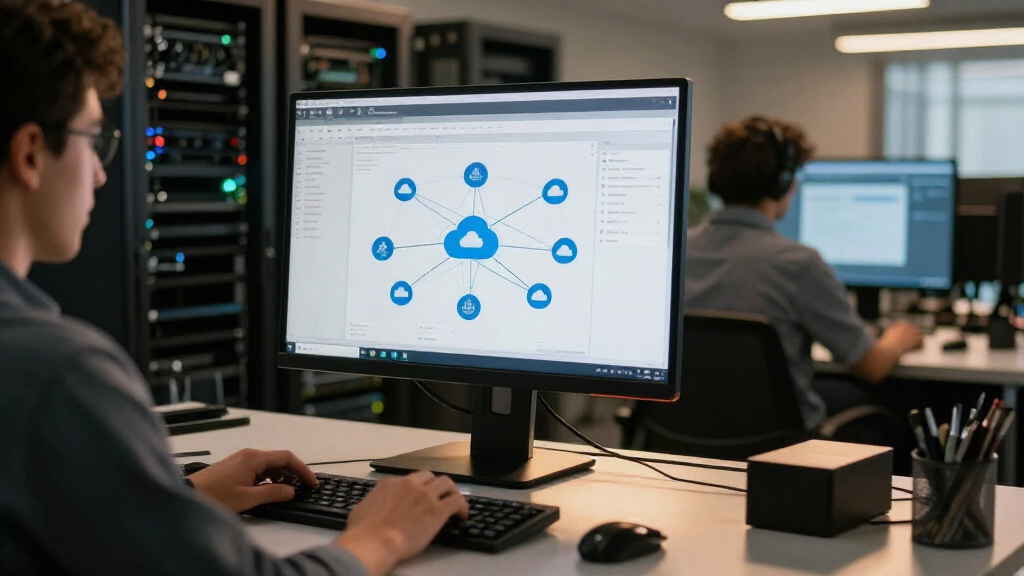
I ranked these entries as educational resources about virtual private cloud services, not as competing cloud platforms. I weighed how directly each title addresses VPC or private-cloud work, how useful its stated format is for the intended reader, and whether its focus is AWS networking, private-cloud architecture, or an introductory learning path. I also considered the practical value of the material: configuration guidance, operational topics, connectivity patterns, and the ability to help a reader move from concepts toward informed design choices.
The Amazon Virtual Private Cloud User Guide leads because it is the broadest foundation for AWS VPC concepts among these options. The Cookbook follows for its recipe-based problem solving, while OpenStack and VMware rank as specialized choices for readers with a clear platform direction. Beginner tutorials and narrower connectivity or networking references rank lower for overall coverage, but can be the better pick for a specific task. Since these titles are not purchasable cloud services, the ranking does not claim they compare service availability, performance, or provider support.
| virtual private cloud service | Product type | Subject |
|---|---|---|
| Amazon Virtual Private Cloud U | User guide | Amazon Virtual Private Cloud |
| AWS Networking Cookbook: Recip | Networking cookbook | — |
| Build Your Own Private Cloud w | Private-cloud guide | — |
| Visible Ops Private Cloud: Fro | Private-cloud implementation guide | — |
| Cloud Computing Networking: Co | Cloud networking guide | — |
| Amazon Virtual Private Cloud C | — | Amazon Virtual Private Cloud connectivity options |
| Virtualization and Private Clo | Not specified | Virtualization and private cloud |
| Building Private Clouds with O | — | Building private clouds with OpenStack |
| AWS Virtual Private Cloud | — | — |
| Amazon Virtual Private Cloud N | — | Amazon Virtual Private Cloud |
Factors to Consider When Choosing Virtual Private Cloud Services
Before choosing a resource—or a cloud platform—separate the learning goal from the infrastructure decision. A guide can explain network design, but it cannot establish whether a service meets your organization’s policy, workload, or operating requirements.
Decide Whether You Need a Service or a Learning Resource
The titles in this roundup are books, manuals, and tutorials, not hosted VPC offerings. If you need an isolated network for an application, compare cloud providers directly on network controls, regional availability, identity integration, support, and billing. If you are preparing to build or administer an environment, a guide can help you understand the design choices before implementation. A common mistake is treating a tutorial as proof that a platform suits a production workload. Use learning material to form questions, then verify answers against current vendor documentation and service terms. Pick the resource based on the decision you need to make next, not just the word “cloud” in its title.
Match the Material to Your Platform Direction
AWS-specific guidance is most useful when your team already runs workloads on AWS or is actively evaluating its networking model. The AWS-focused entries here do not teach an interchangeable recipe for every cloud provider. OpenStack and VMware address different private-cloud ecosystems, with their own operational assumptions and skills. Avoid buying several overlapping AWS references if your real question is whether to run a self-managed cloud. If your platform choice is unsettled, start with architecture and requirements rather than a vendor-specific configuration manual. A narrow resource can be excellent after the platform decision, but limiting before it.
Choose the Right Depth for Your Experience
Newcomers often benefit from a tutorial that introduces terms and basic steps before tackling administrator references. Experienced network engineers may prefer configuration patterns, connectivity details, or operational procedures over an introductory explanation. The tradeoff is that beginner material can leave gaps around failure handling, security boundaries, and complex routing. Conversely, a dense guide can obscure the first concepts a learner needs to grasp. Check whether the resource’s stated audience matches your background and task. For production work, pair introductory material with current technical documentation and a review from someone responsible for the environment.
Look Beyond Network Setup to Day-Two Operations
A VPC design is not finished when subnets and routes are configured; teams also need monitoring, access controls, change management, and incident procedures. Private-cloud projects add platform maintenance, automation, capacity planning, and upgrade work. A title focused on connectivity may answer how networks link together without covering the ongoing burden of running infrastructure. Buyers sometimes underestimate staff time because a private cloud sounds like a one-time installation. Before choosing a self-managed path, identify who will patch, troubleshoot, and maintain it. Favor resources that match the operational responsibilities your team will actually own.
Treat Security and Connectivity as Design Requirements
Isolation alone does not settle questions about identity, traffic inspection, encryption, or access between environments. Write down which systems must communicate, which must remain separated, and who can change network policy. Connectivity references can help frame links between networks, but their examples may not reflect your organization’s compliance rules or current architecture. A frequent mistake is planning only for the happy path and leaving failover or restricted access until deployment. Compare the resource’s subject with your highest-risk network decisions. Validate any configuration against current provider guidance before using it in a live environment.
Check Currency, Scope, and Total Operating Effort
Cloud interfaces and recommended practices change, so check publication details and compare technical steps with up-to-date official documentation. A guide can remain useful for durable concepts even when console screens or service details have shifted. For an actual service decision, estimate more than infrastructure usage: include support, networking, monitoring, migration, and staff operations. Self-managed platforms may offer control but place more maintenance work on your team. Managed offerings can reduce operational tasks while limiting some design choices or tying decisions to a provider. Choose the path whose ongoing workload and governance fit your team, not only the one that looks simplest in a diagram.
Frequently Asked Questions
Are the items in this roundup virtual private cloud services I can deploy?
No. The listed items are guides, books, tutorials, and a whitepaper; they do not provide hosted infrastructure. The titles can help you learn AWS VPC networking or understand private-cloud platforms such as OpenStack and VMware. If you need a deployable environment, compare cloud providers or private-cloud software based on your workload and operating model. Treat the guides as learning aids, then confirm current features and configuration details with the platform vendor.
Which resource should I start with if I am new to AWS VPCs?
The AWS Virtual Private Cloud (VPC) Tutorial for Beginners is the clearest starting point by title and intended audience. If you want a broader reference after learning the basics, add the Amazon Virtual Private Cloud User Guide. A beginner tutorial may not cover every production concern, so do not rely on it alone for security or complex routing decisions. Check its examples against current AWS documentation before applying them to a live account.
Should I choose AWS VPC material or an OpenStack private-cloud guide?
Choose based on who will operate the infrastructure and where your workloads need to run. AWS-focused resources fit teams configuring networks within AWS, while the OpenStack guide is aimed at readers building or operating a self-managed cloud platform. OpenStack can provide greater control over the environment, but also brings more responsibility for maintenance and operations. If your platform decision is still open, compare staffing, governance, workload needs, and support requirements before committing to a platform-specific guide.
Can one of these guides replace current vendor documentation?
No. A book or tutorial can explain concepts and give a structured learning path, but cloud services and interfaces can change after publication. Use a guide to understand the reasoning behind a design, then verify commands, limits, and recommended practices against current official documentation. This matters especially for security settings and production network changes. Keep a review step in your workflow so examples are checked before they affect live workloads.
What should I compare before selecting a real VPC provider?
Start with network isolation, routing flexibility, identity and access controls, connectivity options, regional coverage, and support. Then check how monitoring, policy enforcement, and integration with your existing systems work. Estimate the operating effort as well as infrastructure charges, including staff time and any required support or networking services. Finally, test whether the provider meets your security and compliance needs with a representative design. A learning resource can prepare you for those questions, but the provider’s current terms and technical documentation should guide the decision.
Conclusion
For most readers focused on AWS, I recommend the Amazon Virtual Private Cloud User Guide as the best overall foundation, with the AWS Networking Cookbook as the better pick when you need task-oriented networking examples. The Cookbook is the best value for readers who already know the basics and want practical problem-solving material; the beginner tutorial is the best entry point for new AWS learners. For a premium, platform-specific learning path, the Building Private Clouds with OpenStack guide makes sense for teams prepared to own a self-managed environment, while the VMware title fits organizations committed to VMware. Choose the connectivity whitepaper or administrator guides for narrower reference needs. If you are shopping for an actual service, use these resources to sharpen your requirements, then compare providers on controls, support, workload fit, and operating effort.
Fall Picks
fall essentials
As an affiliate, we earn on qualifying purchases.