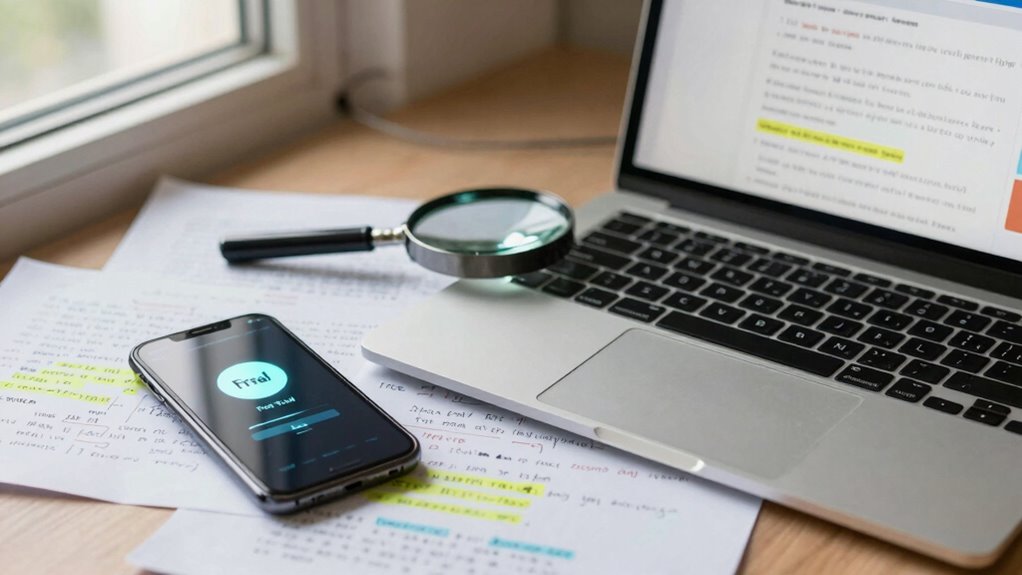

To evaluate review credibility when providers offer free accounts, look for signs of manipulation like repetitive language or overly generic comments that lack specifics. Check if reviews mention particular features or issues, as credible feedback tends to be detailed. Be cautious of profiles with limited activity or suspicious behavior, and look for patterns across multiple platforms. Recognizing biased or overly positive/negative reviews can help. Keep exploring to uncover more tips for spotting real reviews from fake ones.
Key Takeaways
- Check reviewer profiles for diverse activity and credible details indicating genuine engagement.
- Look for detailed reviews mentioning specific features or issues rather than generic praise.
- Cross-reference reviews across multiple platforms for consistency or discrepancies.
- Be wary of reviews posted simultaneously or in clusters suggesting manipulation.
- Assess the overall review tone for extremity, bias, or signs of automated or fake accounts.
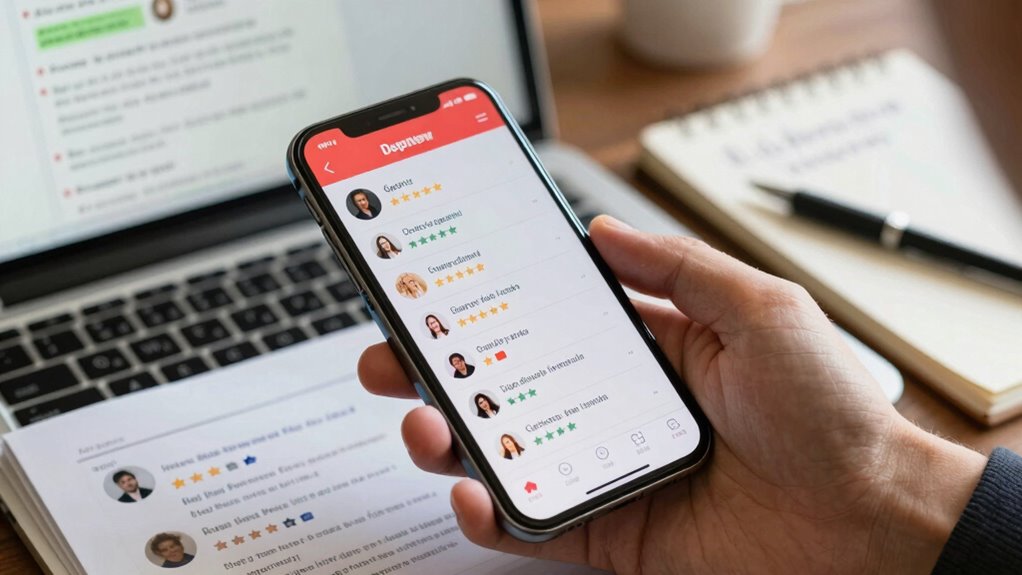
Have you ever wondered if a product review is truly trustworthy? When you’re exploring providers that offer free accounts, it’s easy to fall into the trap of accepting reviews at face value. But remember, not all reviews are genuine; some are influenced by bots manipulation or biased opinions designed to sway your decision. To cut through the noise, you need to develop a keen eye for evaluating review credibility. Start by looking for signs of bots manipulation—repetitive language, overly generic comments, or reviews that seem to pop up simultaneously across different platforms. These are red flags indicating automated accounts may be skewing the overall perception of the product or service. Genuine reviews tend to be more detailed, personalized, and consistent with actual user experiences, so pay attention to the depth and specificity in comments.
Watch for signs of fake reviews—repetitive language, generic comments, and overlapping posts across platforms.
Bias detection is equally important. Recognize that some reviews could be written with the intent to promote or discredit a provider unfairly. If you notice a pattern where most positive reviews use similar language or overly enthusiastic praise, or if negative reviews seem overly aggressive or lack constructive criticism, question their authenticity. Also, check the review dates—an influx of reviews within a short period could suggest coordinated efforts to boost or tarnish a provider’s reputation. When evaluating reviews, consider the reviewer’s history if it’s available; genuine users often have a track record of diverse, balanced feedback, whereas fake accounts tend to have limited activity or suspicious profiles. Additionally, understanding paint sprayer techniques can help you recognize reviews that mention technical details, which are often more credible than vague praise. Recognizing the role of review manipulation can further sharpen your ability to detect deceptive feedback.
Another vital step is to cross-reference reviews across multiple platforms. Don’t rely solely on one source, as fake reviews can be replicated or selectively removed. By comparing ratings and comments from various sites, you can better identify consistent patterns or discrepancies. Keep an eye out for reviews that focus on specific features or issues, which are more likely to reflect real experiences. Additionally, consider the overall rating—an extremely high or low score should prompt you to dig deeper. Sometimes, a handful of detailed, credible reviews can be more telling than a large volume of vague or suspicious comments. Recognizing review authenticity and understanding how to detect signs of manipulation ensures you’re making informed decisions based on trustworthy feedback. Developing critical evaluation skills is essential for navigating today’s complex review landscape.
Ultimately, your goal is to discern genuine feedback from artificially inflated or manipulated reviews. By actively detecting signs of bots manipulation and bias detection tactics, you empower yourself to make smarter decisions. When providers offer free accounts, it’s tempting to rely on reviews as a shortcut, but taking the time to critically evaluate their authenticity guarantees you’re not misled by false information. This careful approach helps you avoid wasting time and resources on subpar services, and understanding the psychology of reviews can aid in recognizing patterns of deception.
![Free Fling File Transfer Software for Windows [PC Download]](https://m.media-amazon.com/images/I/41Vq6ZqHfjL._SL500_.jpg)
Free Fling File Transfer Software for Windows [PC Download]
Intuitive interface of a conventional FTP client
As an affiliate, we earn on qualifying purchases.
As an affiliate, we earn on qualifying purchases.
Frequently Asked Questions
How Can I Identify Fake Reviews Quickly?
To spot fake reviews quickly, look for signs of inauthenticity, such as overly generic praise or extreme negativity. Check if the reviewer shows expertise or specific knowledge about the product, which adds credibility. Be wary of reviews that lack details or seem overly polished. Authentic reviews often mention both pros and cons, helping you gauge product authenticity. Trust reviews from verified purchasers to make certain you’re getting genuine feedback.
Are Paid Reviews More Trustworthy Than Free Ones?
Paid reviews are like polished gems—more appealing but not always genuine. They can sometimes seem more trustworthy, but you shouldn’t rely solely on them. To truly gauge trustworthiness, focus on authenticity verification, checking for detailed, balanced feedback, and looking for inconsistencies. Remember, even paid reviews can be manipulated, so cross-check multiple sources and pay attention to patterns to guarantee you’re getting accurate insights.
What Signs Indicate a Biased Review?
Biased reviews often show clear signs of skewed reviewer motivation, like overly positive or negative language that seems exaggerated. Look for inconsistencies or generic comments that lack specific details, which can indicate a lack of review authenticity. When a review seems overly enthusiastic or dismissive without evidence, it’s a red flag. Trust reviews that offer balanced, detailed insights, suggesting the reviewer’s motivation is genuine and the review is authentic.
How Often Do Providers Manipulate Review Systems?
Providers sometimes gently sway the review landscape, subtly influencing perceptions. They rarely manipulate the review system outright but may engage in practices that challenge review authenticity, like encouraging fake reviews or selective moderation. User verification becomes crucial here, as it helps guarantee reviews come from genuine users. You should stay vigilant, recognizing that while manipulation isn’t rampant, it’s still wise to rely on verified reviews to make informed decisions.
Can Reviews Be Trusted if They Lack Detailed Feedback?
Reviews lacking detailed feedback can be less trustworthy because they often don’t provide enough information to assess review authenticity. User testimonials with specific insights and examples tend to be more credible, helping you make informed decisions. When reviews are vague, it’s a sign you should dig deeper or seek additional opinions, as superficial feedback might hide manipulated or fake reviews. Trust detailed, authentic testimonials over generic praise.
![DeskFX Free Audio Effects & Audio Enhancer Software [PC Download]](https://m.media-amazon.com/images/I/41fXbDohyuS._SL500_.jpg)
DeskFX Free Audio Effects & Audio Enhancer Software [PC Download]
Transform audio playing via your speakers and headphones
As an affiliate, we earn on qualifying purchases.
As an affiliate, we earn on qualifying purchases.
Conclusion
So, next time you stumble upon glowing reviews for free accounts, don’t just take them at face value. Remember, even the most convincing praise can be as fake as the free cheese in a mousetrap. Stay skeptical, dig a little deeper, and trust your instincts. After all, if something sounds too good to be true, it probably is—unless it’s a free account, then it’s probably just too good to be real. Happy evaluating!

EKG STEMI Analysis Badge Card for Rapid Interpretation – Compatible for Both Horizontal & Vertical Layout
– EKG Interpretation at Your Fingertips: Comprehensive reference tool covering 12-lead STEMI with lead placement, cardiac location mapping,…
As an affiliate, we earn on qualifying purchases.
As an affiliate, we earn on qualifying purchases.

Leadership on the Line, With a New Preface: Staying Alive Through the Dangers of Change
As an affiliate, we earn on qualifying purchases.
As an affiliate, we earn on qualifying purchases.