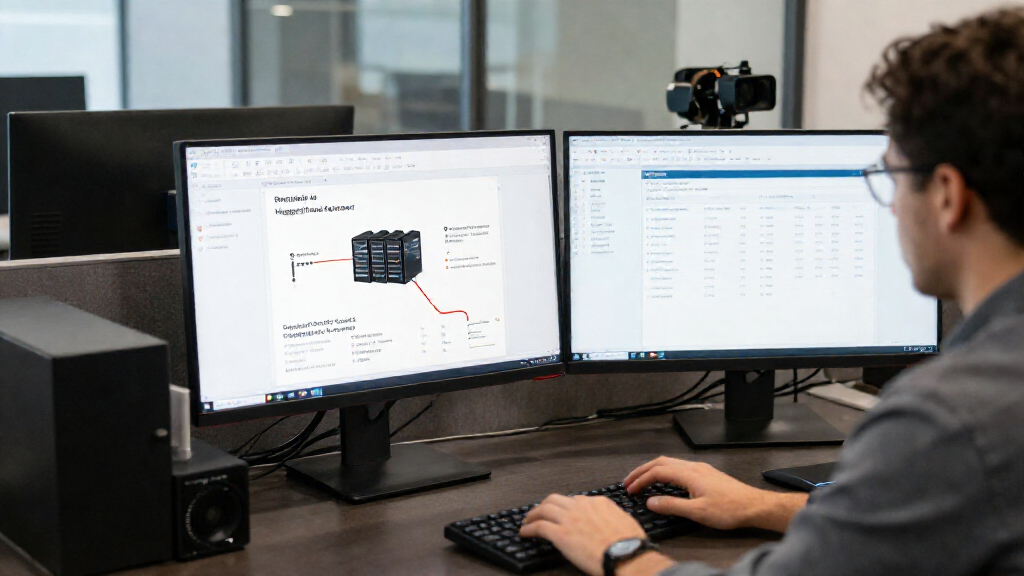
Public vs private IP addresses pose unique security challenges, and understanding these differences is crucial to protect your network effectively.
Browsing Category
Security & Compliance
43 posts
Threat Modeling for VPS Environments: Identifying and Mitigating Vulnerabilities
Securing VPS environments begins with effective threat modeling to uncover vulnerabilities—discover how to identify and mitigate risks before it’s too late.
Penalties for Non‑Compliance: Understanding the Costs of Data Breaches
Just how costly can non-compliance be? Discover the staggering fines and risks that could impact your organization.
Security Best Practices for Shared Vs VPS Hosting: Risk Surface and Auditability
When comparing shared and VPS hosting, understanding their security risks and auditability features can help you make an informed choice—discover how to optimize your setup.
Regular Audits and Vulnerability Assessments: Maintaining Compliance
Regular audits and vulnerability assessments are crucial for keeping your organization compliant…
Multi‑Factor Authentication and Access Control for VPS Hosting
Navigating secure VPS hosting requires implementing MFA and RBAC; discover how these strategies can protect your environment effectively.
Implementing Encryption: Protecting Data at Rest and in Transit
Optimizing data security requires understanding encryption methods for safeguarding data at rest and in transit—discover how to implement them effectively.
Data Sovereignty: Regulations Governing Where Data Can Be Stored
Data sovereignty laws dictate where your data can be stored, and understanding these regulations is essential for compliance—and the details might surprise you.
California Consumer Privacy Act (CCPA): What VPS Operators Need to Know
Understanding the California Consumer Privacy Act is crucial for VPS operators; discover what steps you must take to ensure compliance and protect consumer rights.
Understanding HIPAA Requirements for Hosting Protected Health Information
Discover the essential HIPAA hosting requirements to safeguard protected health information and ensure compliance—learn how to protect sensitive data effectively.