When choosing between a hardware VPN appliance and a VPN router, consider your security needs, network size, and budget. If you require maximum security, high performance, and advanced features, a dedicated appliance is ideal. For smaller networks or cost-efficiency, a VPN router may suffice, offering ease of management. Understanding these differences helps you make the best choice, and exploring more can guarantee you select the device that fits your specific requirements.
Key Takeaways
- Assess your security needs: choose appliances for maximum security and high performance, routers for basic or home use.
- Consider network size: appliances suit large enterprise networks, while routers are ideal for small to medium setups.
- Evaluate management complexity: appliances offer advanced, complex interfaces; routers provide user-friendly setup for non-technical users.
- Balance budget and performance: appliances are costlier but offer better speed; routers are more affordable and easier to maintain.
- Check compatibility and scalability: ensure device supports your security protocols and can grow with your network requirements.
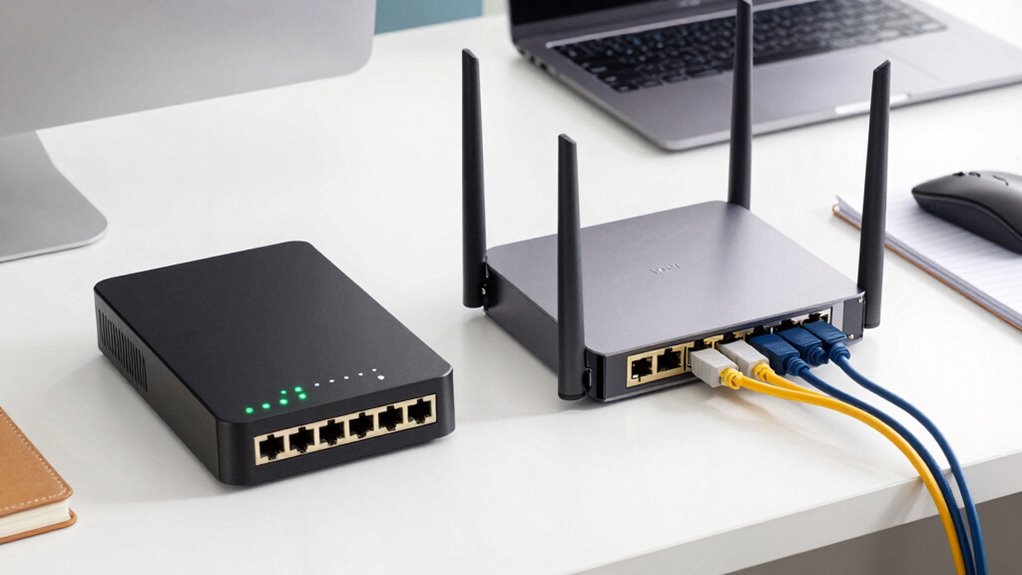
When deciding between a hardware VPN appliance and a VPN router, understanding their differences is essential for choosing the right solution for your network. Both options serve to secure your internet traffic, but they differ markedly in design, functionality, and management. A hardware VPN appliance is a dedicated device optimized specifically for VPN tasks, often offering robust security features and high performance. In contrast, a VPN router combines routing capabilities with built-in VPN functions, making it a more versatile, all-in-one solution suitable for small to medium-sized networks.
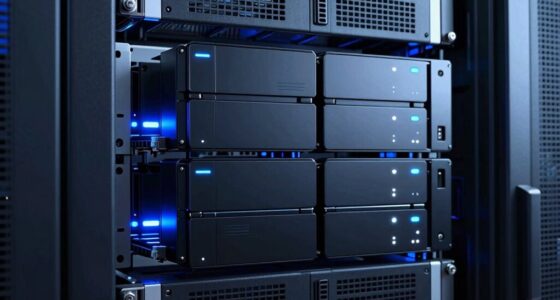
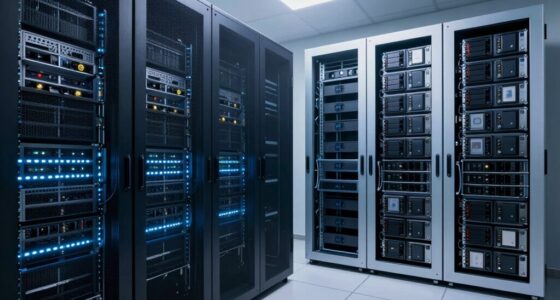
Your choice largely depends on your specific needs. If you require maximum security, high throughput, and advanced encryption protocols, a hardware VPN appliance might be more suitable. These appliances typically come with enterprise-grade encryption protocols like AES-256, ensuring your data stays private even under sophisticated threats. They often feature dedicated hardware to handle encryption and decryption processes, which improves speed and reduces latency. On the other hand, VPN routers are generally more budget-friendly and easier to deploy, making them ideal for home or small office environments. They usually support standard encryption protocols, such as OpenVPN or IPsec, and provide sufficient security for less demanding use cases.
Choose hardware VPN appliances for maximum security and performance; opt for VPN routers for budget-friendly, easy-to-deploy solutions.
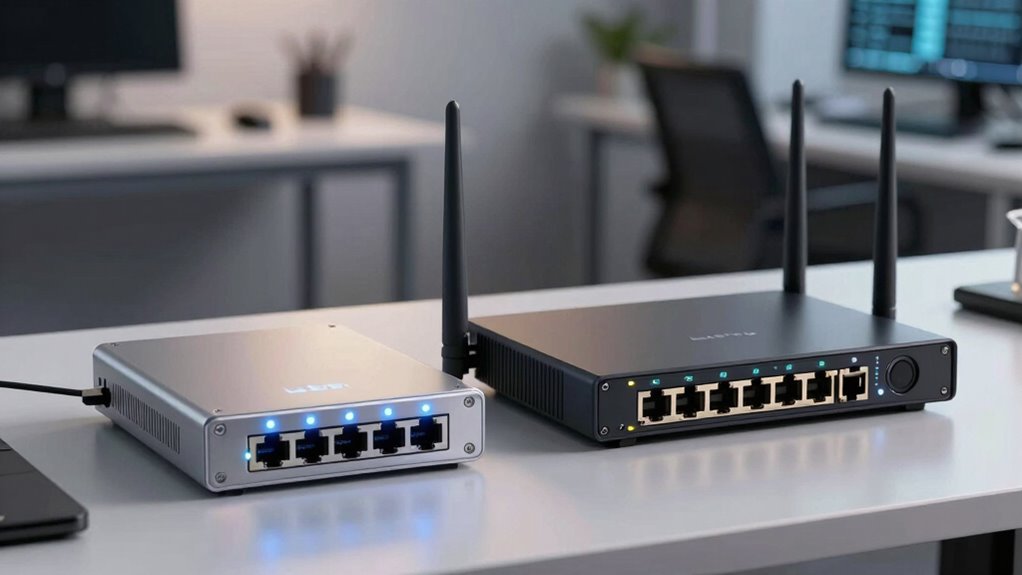
Another critical aspect to evaluate is the user interface. Managing and configuring your VPN device should be straightforward, especially if you’re not a tech expert. Hardware VPN appliances often come with specialized management interfaces, which can be complex but offer extensive control over security features, encryption settings, and logging. These interfaces are typically designed for network administrators and may require some technical knowledge to operate efficiently. VPN routers, however, tend to have more user-friendly interfaces, often accessible via web browsers or mobile apps. They provide simplified setup wizards, making it easier for non-technical users to establish secure connections without deep knowledge of encryption protocols or network configurations. Additionally, compatibility with security standards is an important factor to consider, as it ensures seamless integration with your existing infrastructure. A further consideration is the ease of updates and maintenance, which can impact the long-term security and performance of your network. Moreover, the cost of each device can vary significantly, and it’s important to balance features with your budget. Furthermore, considering the scalability of each device can help future-proof your network as your needs grow.
Considering the encryption protocols supported by each device can help ensure compatibility with your existing security infrastructure. Ultimately, your decision hinges on balancing security, performance, ease of management, and budget. If your priority is highly secure, high-speed VPN connections with advanced control, a hardware VPN appliance is likely the better choice. Conversely, if you want a simple, cost-effective solution for everyday use, a VPN router can meet your needs without overwhelming you with technical details. By evaluating these factors carefully, you can select the device that aligns best with your network’s security requirements and your comfort level with technology.
As an affiliate, we earn on qualifying purchases.
Frequently Asked Questions
Can Both Options Support Remote Access VPNS Effectively?
Both options can support remote access VPNs effectively, but their capabilities vary. Hardware VPN appliances often offer advanced encryption protocols and robust user authentication features, ensuring high security for remote users. VPN routers also support remote access, but they might have limited encryption options and authentication methods. Your choice depends on your security needs, scalability, and ease of management, with appliances generally providing stronger security features.
What Are the Typical Maintenance Requirements for Hardware VPN Appliances?
They say “prevention is better than cure,” so maintaining your hardware VPN appliance is vital. You need to regularly perform firmware updates to patch vulnerabilities and improve performance. Additionally, guarantee a reliable power backup to prevent downtime during outages. Regularly checking hardware health, cleaning components, and monitoring logs also help keep your VPN appliance running smoothly. Staying proactive minimizes issues and extends the device’s lifespan.
How Do Hardware VPN Appliances Compare in Scalability to VPN Routers?
Hardware VPN appliances typically offer better performance benchmarks and are less scalable compared to VPN routers. You might find that appliances excel in high-demand environments but can be limited when expanding your network. VPN routers, on the other hand, provide greater deployment flexibility, allowing you to add more devices and adapt to growing needs. If scalability is your priority, routers tend to be a more adaptable choice.
Are There Specific Industries That Prefer One Option Over the Other?
You might think one option suits all industries, but specific industry preferences matter. Financial and healthcare sectors often favor hardware VPN appliances for their robust security compliance features, ensuring sensitive data stays protected. On the other hand, tech companies and small businesses might prefer VPN routers for flexibility and scalability. Knowing your industry’s security standards helps you choose the right solution, aligning with compliance needs and operational demands.
What Are the Long-Term Cost Implications of Each Choice?
Choosing a hardware VPN appliance often offers better cost efficiency upfront, but it might incur higher long-term costs due to limited upgrade flexibility. VPN routers generally have lower initial costs and allow easier upgrades, making them more adaptable as your needs change. Over time, routers can be more cost-effective, especially if you plan to scale or update your network frequently. Consider your long-term flexibility needs to make the best financial decision.
As an affiliate, we earn on qualifying purchases.
Conclusion
When deciding between a hardware VPN appliance and a VPN router, consider your network size and security needs. Hardware appliances often offer stronger security for larger organizations, while VPN routers suit small to medium setups. Did you know that 70% of businesses with over 1,000 employees use dedicated hardware VPNs for enhanced protection? By understanding your requirements, you can choose the best solution to keep your data safe and your network efficient.
enterprise VPN security appliance
As an affiliate, we earn on qualifying purchases.
As an affiliate, we earn on qualifying purchases.
As an affiliate, we earn on qualifying purchases.