

VPS hosting prices can be as low as $5.50 or soar past $200 a month. This large price range might surprise you because many hidden costs are often not mentioned. Even though the starting price may seem low, not knowing the full cost can make managing your budget hard as your hosting needs change.
VPS hosting offers your business benefits like more resources and freedom than shared hosting. However, it’s important to explore the hidden costs. Knowing these costs helps keep your budget on track and sets realistic spending expectations. This article will help you understand VPS pricing and the impact of extra costs, preparing you for your hosting journey.
Key Takeaways
- VPS hosting prices vary widely, reflecting different service levels and specs.
- Many hidden costs can affect your overall budget beyond the advertised pricing.
- Understanding these costs upfront can help you make informed financial decisions.
- Evaluating different providers is crucial to avoid unexpected expenses.
- Recognizing the differences between managed and unmanaged services can impact costs.
Understanding VPS Hosting and Its Appeal
Virtual Private Server (VPS) hosting is great for businesses wanting better performance. It provides dedicated resources, improving loading times significantly. These benefits make it an excellent middle option between shared and dedicated hosting. It combines affordability with powerful features.
VPS hosting allows for more control and customization. This is ideal for medium-sized businesses and developers. They can install their own software and adjust settings to meet their needs. This flexibility improves website performance, especially during high traffic. It’s better at handling traffic spikes than shared hosting.
More businesses are choosing VPS because it can grow with them. It’s perfect for those with complex hosting needs. Cloud VPS hosting adds benefits by using several servers. This ensures reliability and meets modern web demands. Companies using VPS often see uptime between 99% to 100%.
VPS hosting has managed and unmanaged plans. Managed plans provide support services, making them easier for some users. Unmanaged plans let tech-savvy users have full control. Both options improve security by isolating your data from others.
VPS hosting can adapt as your business grows. It keeps your online presence strong and competitive. With new improvements in cloud VPS hosting, it’s a wise choice for reliability and control.
VPS hosting management plans
As an affiliate, we earn on qualifying purchases.
As an affiliate, we earn on qualifying purchases.
Evaluating VPS Pricing Structures
VPS pricing varies a lot. It’s based on things like how many vCPUs it has, memory, storage types, and how much data you can move. Prices range from $5 to more than $100 monthly. This shows there’s a wide range of choices available.
The pricing usually includes charges for different components. For example, Google Cloud’s pay-as-you-go model charges about $0.033174 for every vCPU hour. And for every GB of RAM, it’s roughly $0.004446 an hour. If you choose SSD storage over regular, it’ll cost more because it’s faster.
Network egress fees are also part of the costs. These are fees for sending data to different places. They can be tough to figure out, especially for big organizations with lots of data. It’s crucial to keep an eye on how much data you’re using to avoid extra charges. The Google Cloud Console helps by giving you updates so you can manage your money better.
Choosing managed services means you’ll pay more every month, around $15 to $40 more than unmanaged ones. People who know tech well might prefer the basic unmanaged VPS. It’s cheaper by about $5.50 a month. But, if you need more help and better uptime, managed VPS might be worth the extra cost.
Getting the hang of these pricing details is key to picking the right VPS hosting. It will fit what you need and your budget. By thinking about these things, you can better understand VPS pricing.

VCELINK 1U Ventilated Blank Panel for 19" Server Rack, Detachable Design Network Cabinet Spacer, S45C Carbon Steel Rack Filler Plate with Screws, Black 1-Pack
UNIVERSAL 1U FIT: Designed strictly for standard 19-inch server racks and network cabinets. The panel measures 19" (48.26…
As an affiliate, we earn on qualifying purchases.
As an affiliate, we earn on qualifying purchases.
Hidden Costs to Watch Out for in VPS Hosting Deals
When looking into VPS hosting, you need to watch out for some hidden costs. These costs can surprise you and mess with your budget. Let’s dive into three key areas of hidden costs to be aware of.
Setup Fees and Initial Costs
Some service providers offer VPS for as low as $5 to $10 monthly. But, they might not tell you about setup fees right away. These fees can raise your starting costs. It’s smart to know about these hidden costs early so you can plan your budget better.
Domain Registration Renewals
The first year of domain registration might look cheap. But, the cost to renew can go up a lot after that year. It’s important to think about these costs for the future. Unexpectedly high renewal fees can be a burden, so watch out for them.
SSL Certificate Expenses
SSL certificates keep your website safe, crucial for sites that sell stuff. Some VPS hosts might give you SSL for free, others charge extra. Make sure you know if you’re paying for SSL. This keeps you from unexpected charges and keeps your site safe.

| Provider | Monthly Cost | Setup Fee | SSL Inclusion |
|---|---|---|---|
| Provider A | $20 | $0 | No |
| Provider B | $30 | $25 | Yes |
| Provider C | $50 | $0 | No |

Custom Business Cards for Web Hosting Providers & Data Centers – 16 Pt Cardstock – Personalized Cloud Infrastructure, Server Admin, and Managed IT Networking Cards (Global Domain)
Modern Web & Cloud Architecture Layouts: Choose from 4 professionally curated designs featuring global WWW icons, cloud server…
As an affiliate, we earn on qualifying purchases.
As an affiliate, we earn on qualifying purchases.
The Impact of Resource Allocation on Pricing
Choosing a VPS hosting plan involves understanding resource allocation and its costs. Knowing how vCPU, RAM, storage, and bandwidth influence pricing is crucial. As resources increase, so does the price, particularly for high-traffic or complex websites.
Businesses often find surprise costs when they underestimate their needs. Traffic spikes might lead to extra charges or the need for more resources, stressing the budget. Scalable hosting helps manage performance by adjusting resources as needed.
Extra features like dedicated IP addresses also affect VPS pricing. If you don’t plan for these costs, they can stretch your budget. A full assessment of your needs helps avoid overspending while keeping your website running smoothly.

Keeping an eye on how much resources you use can prevent paying for what you don’t need. This practice leads to better efficiency and lower costs, making your VPS choice more valuable. By actively managing resources, you support your business’s growth and optimize performance.

Gigastone 【NAS Certified】 Home Server SSD 1TB Up to 550MB/s TLC Flash with SLC Caching 24/7 Reliable for Gaming/PC/NAS SSD 3-Year Warranty 2.5" SATA Internal Solid State Drives RAID Disk
[Security Home Server SSD Solution] : No.1 NAS SSD choice in heavy workloads NAS systems|24/7 superior NAS Cache…
As an affiliate, we earn on qualifying purchases.
As an affiliate, we earn on qualifying purchases.
Understanding Managed vs. Unmanaged VPS Options
Choosing between managed and unmanaged VPS hosting changes your experience and costs. Knowing the difference helps make decisions that fit your tech needs and budget.
Cost Comparisons Between Managed and Unmanaged Plans
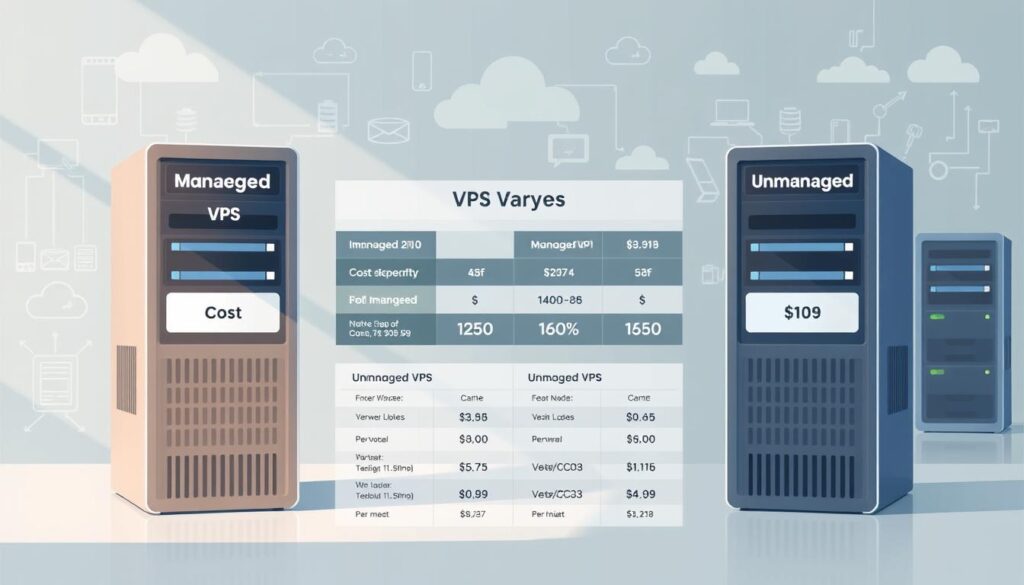
Managed VPS hosting costs more because it includes round-the-clock support, automatic backups, and security updates. These benefits can lessen downtime by nearly 100%, crucial for busy websites and online stores. Managed plans usually cost 20% to 50% more than unmanaged ones.
Unmanaged VPS is for those who like control and customization. It’s cheaper by 20-50%, ideal for people okay managing their servers. About 70-80% of VPS users choose unmanaged plans, showing its appeal to DIY enthusiasts.
This table breaks down the cost comparisons between managed and unmanaged VPS options:
| Feature | Managed VPS | Unmanaged VPS |
|---|---|---|
| Cost | 20-50% higher | 20-50% lower |
| Technical Support | 24/7 support | Limited or none |
| Security Updates | Automatic | User-managed |
| Uptime Reliability | 99.9% guaranteed | Varies |
| Performance | Up to 40% faster | Standard |
| Setup Costs | 10-20% higher | Lower initial costs |
| User Customization | Limited to host capabilities | Full root access |
Unmanaged VPS can save money, but you may spend over 15 hours a month on maintenance. This time could affect your main business activities. On the other hand, with managed VPS, you save time. This allows for better website performance and higher SEO rankings, thanks to faster loading times and less downtime.
Exploring Additional Services and Upcharges
When looking at VPS hosting, think about extra services that could cost more. Many companies attract customers with low prices on basic plans. But they might charge more for additional features, raising your costs.
Common VPS upgrades include:
- Enhanced security measures
- Automated backups
- Additional storage options
- Personalized support services
Think about what upgrades you really need. Some companies offer free domain registration for a year, then charge high fees after. They might include an SSL certificate at first, but renewal fees can be high later.
Some companies advertise free account setup but then charge for VPS services. Be careful with policies on free email accounts. Going over limits could lead to extra charges. This is key for businesses that depend on email, as many services set daily limits on emails.
Checking the pricing details can help you spot hidden fees. These could add up to 30% more costs if not noticed at first. Going over bandwidth limits could also result in big fines from different hosts. Knowing your bandwidth needs helps avoid surprise charges.

Knowing about these extra services and charges helps you make smart choices. Here’s a table of some VPS providers and their main features:
| Provider | Starting Price | Free Domain | Free SSL | Monthly Backup | Email Limits |
|---|---|---|---|---|---|
| Hostinger | $4.99 | 1st year only | Yes | Yes | Limited |
| Kamatera | Varies | No | No | No | None specified |
| IONOS | $2.00 | 1st year only | Included | No | Unlimited |
| ScalaHosting | Varies | Depends on plan | Varies | Varies | None specified |
By looking at these points, you can pick a hosting option that suits your needs and budget. This way, you can avoid paying for things you don’t need.
Balancing Cost and Value in Your VPS Selection
Finding the right VPS balance is important. Knowing what resources you need helps avoid extra costs. It also ensures your projects run smoothly.
Learning to assess your needs means smarter money choices.
Assessing Your Resource Needs
Start by thinking about your expected traffic. Look into how much bandwidth, CPU cores, and memory you need. This makes it easier to see what’s a good deal.
Picking the right plan means not spending too much. It’s all about finding what fits your needs best.
Identifying Unnecessary Features
Many VPS offerings look the same, but you might not need everything. Check what each plan offers and skip what’s not useful. This helps you get the most out of your choice.
Removing features that don’t add value can save money. This way, you only pay for what truly benefits you.

| Feature | Essential | Unnecessary |
|---|---|---|
| Dedicated CPU | Yes | No |
| Managed Support | Depends on expertise | No |
| Backup Services | Yes | No |
| Free SSL Certificates | Yes | No |
| Content Delivery Network (CDN) | Depends on project | Possible |
Conclusion
VPS hosting is great for balancing performance and cost. It’s favored by businesses wanting to boost their online presence. Yet, it’s key to watch out for hidden costs when picking your hosting. Knowing VPS pricing, including extra fees, helps you make smart choices for your needs and budget.
Websites that load slow lose nearly half their visitors. VPS hosting is quicker than shared hosting, helping keep users happy. When looking at affordable options, weigh the benefits of speed against potential hidden costs for storage, bandwidth, or security.
Researching VPS hosting solutions and comparing the market is smart. It increases your chances to find the best deal. By understanding pricing and performance, you can improve your hosting experience. This will support your online venture’s success.