
TL;DR

Get business pricing on networking and server gear
- Business-only prices and quantity discounts
- Tax-exempt purchasing
- Multiple users, one account, clear invoices
A European government has launched an age verification app that requires users to access it via Android or iOS devices. The move aims to control online content access but raises questions about inclusivity and privacy. The app’s full scope and implications are still being clarified.
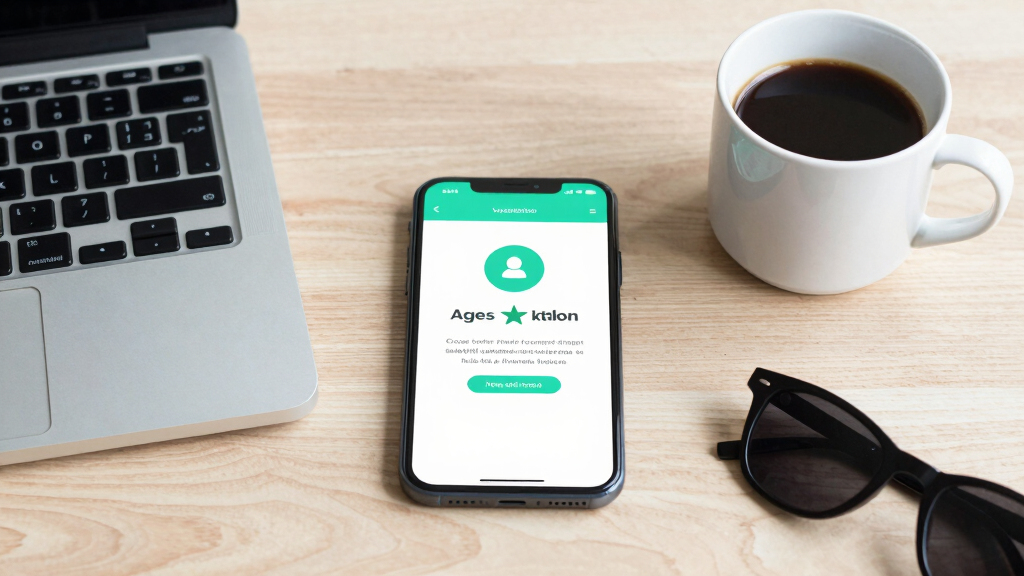
The European Union has officially launched a new age verification app that requires users to access it exclusively through Android or iOS devices, effectively excluding other platforms. This move aims to regulate online content access for minors but has raised concerns about digital inclusion and privacy.
The app, named EU AgeCheck, was introduced by the European Commission as part of efforts to enforce stricter age verification for online services, particularly concerning access to age-restricted content and platforms. According to official statements, the app is designed to ensure compliance with new EU digital safety regulations.
However, the app is only available for Android and iOS devices, which constitutes a significant restriction. It is not compatible with other operating systems such as Windows Phone or various smart device platforms, limiting access for users on alternative devices. The European Commission has not yet clarified whether this restriction is temporary or permanent.
Privacy advocates have expressed concern over the app’s data collection practices, with some claiming that it could enable intrusive tracking or data sharing with third parties. The European Commission has stated that the app complies with GDPR but has not provided detailed technical documentation.
Implications for Digital Access and Privacy in Europe
This development is significant because it could set a precedent for platform-dependent digital tools mandated by governments. While aiming to protect minors, the restriction to Android and iOS platforms raises concerns about digital exclusion for users with alternative devices or limited access to these operating systems. Additionally, the privacy implications of mandatory age verification apps are under scrutiny, especially regarding data security and user consent.
For European consumers, the move highlights ongoing debates over digital rights and government oversight in online spaces. The restriction could influence future policies on online safety, but also risks marginalizing certain user groups.
As an affiliate, we earn on qualifying purchases.
Background on EU Digital Safety Regulations
In recent years, the European Union has intensified efforts to regulate online content and protect minors through legislation such as the Digital Services Act and the Audio-Visual Media Services Directive. These laws mandate stricter age verification measures for online platforms offering age-restricted content.
The introduction of EU AgeCheck aligns with these policies, aiming to create a standardized method for verifying age across digital services. Prior initiatives included age gates on websites and third-party verification services, but this is the first government-mandated app of this scale.
Prior to this, there had been limited public discussion about platform restrictions for such verification tools, making this move somewhat unexpected for some stakeholders.
“The EU AgeCheck app is a necessary step to ensure minors are protected online and that content is accessed responsibly.”
— European Commission spokesperson
digital privacy protection software
As an affiliate, we earn on qualifying purchases.
As an affiliate, we earn on qualifying purchases.
Unclear Aspects of Platform Restrictions and Data Use
It remains unclear whether the restriction to Android and iOS devices is a temporary technical measure or a permanent policy. Details about the app’s data collection, storage, and sharing practices are also still emerging, with privacy groups demanding further transparency. Additionally, the potential for future expansion to other platforms or integration with existing verification systems is not yet known.
smartphone privacy screen protector
As an affiliate, we earn on qualifying purchases.
As an affiliate, we earn on qualifying purchases.
Next Steps for Policy Clarification and User Access
European authorities are expected to provide further technical documentation and clarify the scope of platform restrictions in the coming weeks. Privacy advocates and user groups are likely to continue pressing for greater transparency and inclusivity. Monitoring will focus on whether the app’s restrictions are eased or expanded and how the app’s privacy safeguards evolve.
Legislative discussions may also emerge regarding whether platform restrictions violate digital rights or need regulatory adjustments, especially if accessibility issues persist.
As an affiliate, we earn on qualifying purchases.
Key Questions
Why is the app only available on Android and iOS?
European officials have not provided detailed reasons, but it appears to be related to technical compatibility and security standards. It is unclear whether other platforms will be supported in the future.
Does the app collect user data?
Officials state that the app complies with GDPR, but specific data collection and privacy practices have not been fully disclosed. Privacy groups remain concerned about potential data sharing.
Will this restriction affect users in non-EU countries?
The app is primarily aimed at EU residents, but users outside the EU who access it may be affected if they use compatible devices. The scope of geographic restrictions has not been detailed.
Could this move lead to digital exclusion?
Yes, restricting the app to only Android and iOS devices could marginalize users with alternative devices or limited access to these operating systems, raising concerns about equitable access.
Source: hn
Fall Picks
fall essentials
As an affiliate, we earn on qualifying purchases.