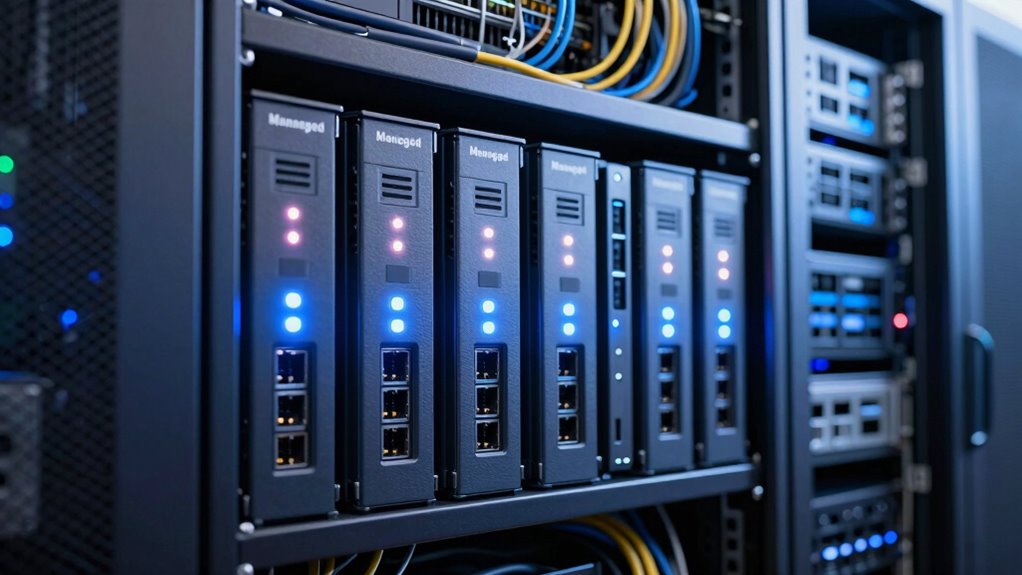

Managed firewalls are handled by third-party providers, offering automation, regular updates, and expert monitoring, which reduces your workload and helps with compliance. Self-configured firewalls give you full control to customize security policies but require in-house knowledge, ongoing maintenance, and resources. Your choice depends on your organization’s size, skills, and regulatory needs. Continue to explore how both options could fit into your security strategy to make a well-informed decision.

Get business pricing on networking and server gear
- Business-only prices and quantity discounts
- Tax-exempt purchasing
- Multiple users, one account, clear invoices
Key Takeaways
- Managed firewalls are handled externally, reducing internal workload, while self-configured firewalls require in-house setup and ongoing management.
- Managed solutions leverage provider expertise for compliance and threat response, whereas self-managed firewalls demand deep internal security knowledge.
- Managed firewalls simplify cloud security and compliance through automated updates and regular audits; self-configured setups offer more customization.
- Self-configured firewalls can be more cost-effective initially but need continuous investment, unlike managed firewalls that reduce personnel costs.
- The choice depends on organizational size, security expertise, regulatory requirements, and preference for control versus convenience.
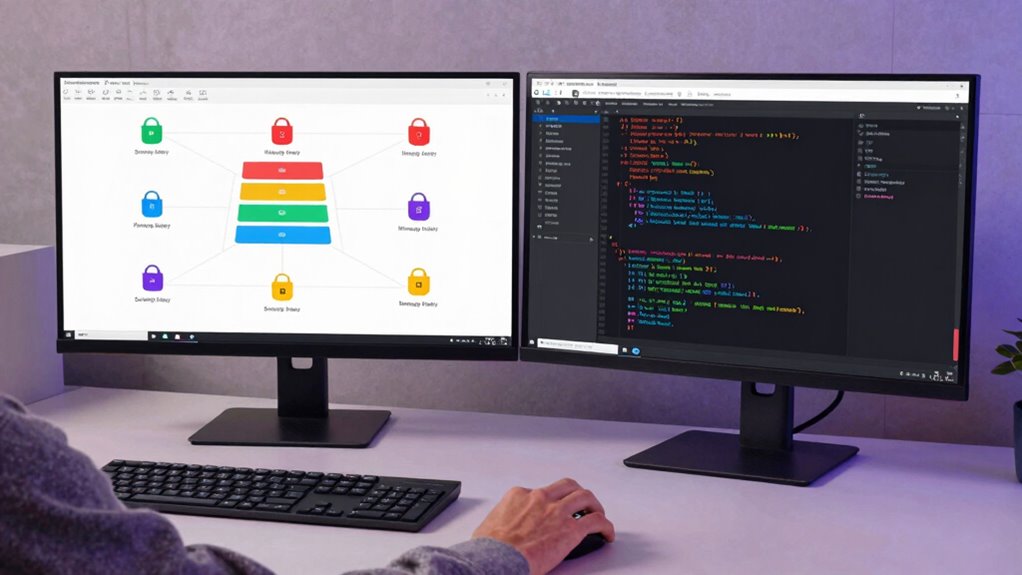
When choosing a firewall solution, understanding the differences between managed firewalls and self-configured firewalls is essential. Your decision impacts your organization’s cloud security, compliance standards, and overall risk management. Managed firewalls offer a turnkey approach, where a third-party provider handles setup, monitoring, and updates. This can be especially advantageous if you lack dedicated security staff or want to ensure your firewall aligns with the latest security practices. These providers typically have extensive expertise, which helps in maintaining compliance standards and addressing emerging threats efficiently. They often include automated updates, real-time threat detection, and continuous monitoring, reducing your workload and minimizing human error.
Managed firewalls simplify security with automated updates and continuous monitoring, ideal for organizations with limited security resources.
In contrast, self-configured firewalls put you in the driver’s seat. You’re responsible for designing, deploying, and maintaining the rules and policies that govern your network’s security. This approach grants you greater control, allowing you to tailor security measures precisely to your organization’s needs. When it comes to cloud security, this control lets you customize defenses for your specific cloud environment, but it also demands a deep understanding of the security landscape. Achieving and maintaining compliance standards, such as HIPAA, PCI DSS, or GDPR, becomes your responsibility, requiring ongoing effort and expertise. You need to stay updated on evolving regulations and ensure your firewall policies reflect those changes.
Managed firewalls simplify compliance by providing built-in features and regular audits that align with industry standards. Because a provider manages the technical details, you can focus more on strategic security planning rather than day-to-day configurations. This can be a major advantage if your organization faces resource constraints or lacks in-house security expertise. However, it’s important to verify that the provider’s offerings meet your specific compliance requirements and that they are transparent about their security practices. Additionally, understanding the technology behind firewalls helps in evaluating the effectiveness of different solutions. Recognizing how these security mechanisms operate is key to ensuring your defenses are robust against sophisticated threats. A solid understanding of network security principles can further enhance your ability to select and manage the best firewall solutions for your needs.
On the other hand, self-configured firewalls can be more cost-effective upfront but often require ongoing investment in personnel training, system updates, and threat intelligence. If your team has the necessary skills and resources, this approach offers flexibility and customization that managed services might not fully provide. Still, you must remain vigilant about maintaining compliance standards, especially as regulations evolve and new vulnerabilities emerge. Moreover, staying informed about cybersecurity threats is vital to proactively adjust your firewall rules and policies.
Ultimately, your choice depends on your organization’s size, expertise, regulatory obligations, and risk appetite. Managed firewalls tend to suit organizations seeking simplicity and peace of mind, especially in complex cloud environments. Self-configured setups appeal to those with specialized security teams willing to invest in ongoing management. Both options have their merits, but understanding their differences helps you make a smarter, more informed decision to safeguard your network effectively.
Products Worth Considering

LG UltraGear 27-Inch QHD OLED Gaming Monitor, 240Hz, 0.03ms, G-SYNC Compatible, FreeSync Premium Pro, HDMI 2.1

Samsung 27-inch Odyssey OLED G6 QD-OLED QHD Gaming Monitor

Samsung 32-Inch Odyssey OLED G8 (G80SH) 4K Gaming Monitor
As an affiliate, we earn on qualifying purchases.
Frequently Asked Questions
How Do Managed Firewalls Adapt to Emerging Security Threats?
Managed firewalls adapt to emerging security threats by constantly monitoring your network for threat detection and automatically updating their security protocols. They utilize real-time analysis to identify new attack patterns and respond swiftly, reducing your risk exposure. Automated updates guarantee your firewall stays current against evolving threats without manual intervention, providing you peace of mind and enhanced protection against cyber attacks.
What Are the Costs Differences Over Time Between Both Firewall Options?
You’ll find that managed firewalls tend to have higher initial costs but lower ongoing expenses, thanks to reduced maintenance and support needs. Self-configured firewalls typically require a lower upfront investment but can incur higher long-term costs due to time, expertise, and potential security risks. For effective budget planning, conduct a cost analysis that considers both setup and operational costs, balancing initial savings against long-term security and management efficiency.
Can Self-Configured Firewalls Meet Compliance Standards Without Expert Help?
A stitch in time saves nine—this applies to your firewall setup too. You can meet compliance standards with a self-configured firewall, but it requires expert help for proper firewall customization and security policies. Without expert guidance, you risk gaps in your defenses, making compliance difficult. To stay safe and compliant, make certain your configurations align with standards, or consider managed firewalls for peace of mind.
How Do Maintenance Requirements Compare for Managed Versus Self-Configured Firewalls?
Managed firewalls require less maintenance from you, as experts handle updates, patches, and monitoring, ensuring consistent firewall customization and threat detection. With self-configured firewalls, you’re responsible for ongoing upkeep, which demands time and expertise to stay effective. While self-managed setups offer control, managed firewalls streamline maintenance, reduce errors, and keep your defenses robust through continuous threat detection and tailored configurations.
What Are the Best Practices for Transitioning From Self-Configured to Managed Firewalls?
To shift smoothly, start by evaluating your current firewall setup and documenting your customizations. Collaborate with your managed firewall provider to confirm your firewall customization needs are understood. Invest in user training to familiarize your team with the new system, emphasizing security best practices. Gradually migrate configurations, testing each step carefully. Regularly review the setup after the changeover to optimize performance and security, making certain your team remains confident and well-informed throughout.
Conclusion
Choosing between managed and self-configured firewalls is like picking a trusted guide versus a lone explorer—each has its merits. Managed firewalls offer expert oversight, like a seasoned captain steering your security ship through rough waters. Self-configured setups give you control but demand constant vigilance, like tending a delicate garden. Weigh your needs carefully, and remember, the right choice can be the sturdy shield that keeps your digital world safe and sound.